
West Indian carnival is what happens when Brooklyn decides to throw a party for the whole world, and the whole world shows up.
From Harlem ballrooms to Eastern Parkway
The celebration began in the 1920s, when Jessie Wardell and a group of West Indian friends started carnival traditions in Harlem, organizing costume parties in large indoor spaces because of the cold February weather. The outdoor spirit of Caribbean carnival could not stay inside forever. The first carnival street parade in New York City occurred on September 1, 1947, and grew larger each following year.

After violent incidents led the city to revoke the carnival permit in 1964, a committee organized by Trinidadian Carlos Lezama obtained a new permit for a parade on Eastern Parkway, Brooklyn. That decision changed everything. Carlos Lezama, an immigrant from Trinidad, is widely recognized as the “Father of the West Indian Day Parade” in Brooklyn. His work built something that outlasted him and grew beyond what anyone expected.
What the carnival actually looks like on the ground
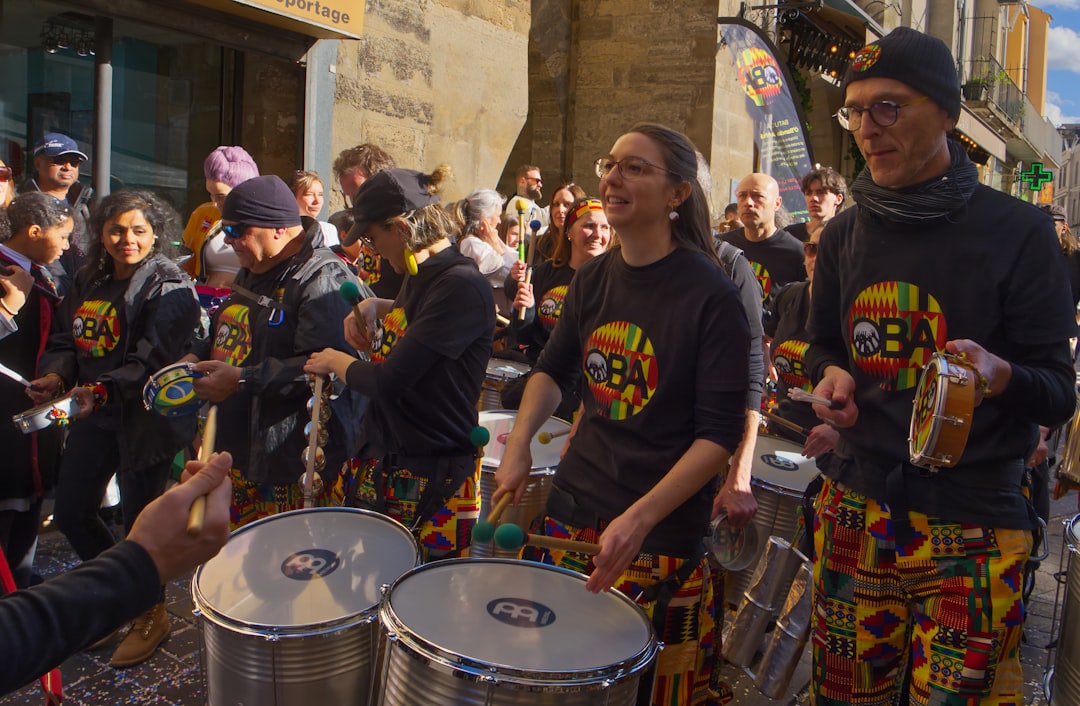
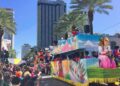
The parade begins at Eastern Parkway and Utica Avenue and ends at Grand Army Plaza. Along that 2-mile stretch, everything competes for your attention at once. Steel pan and calypso bands in elaborate costumes march down Eastern Parkway, and vendors sell homestyle island food along the route in Crown Heights.
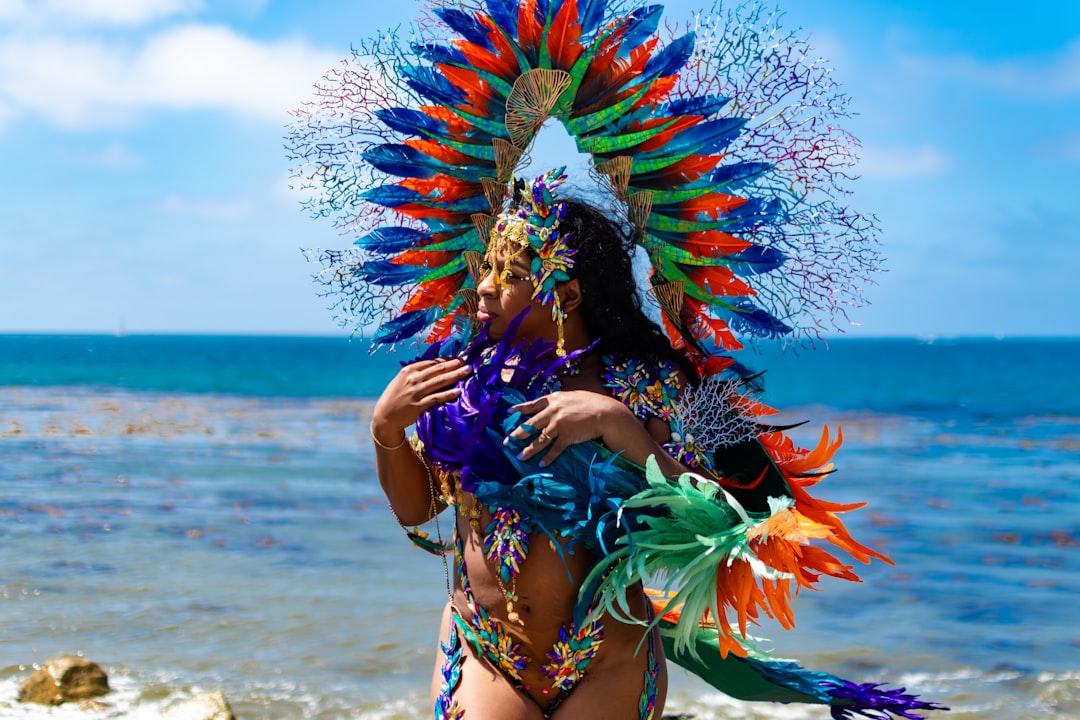
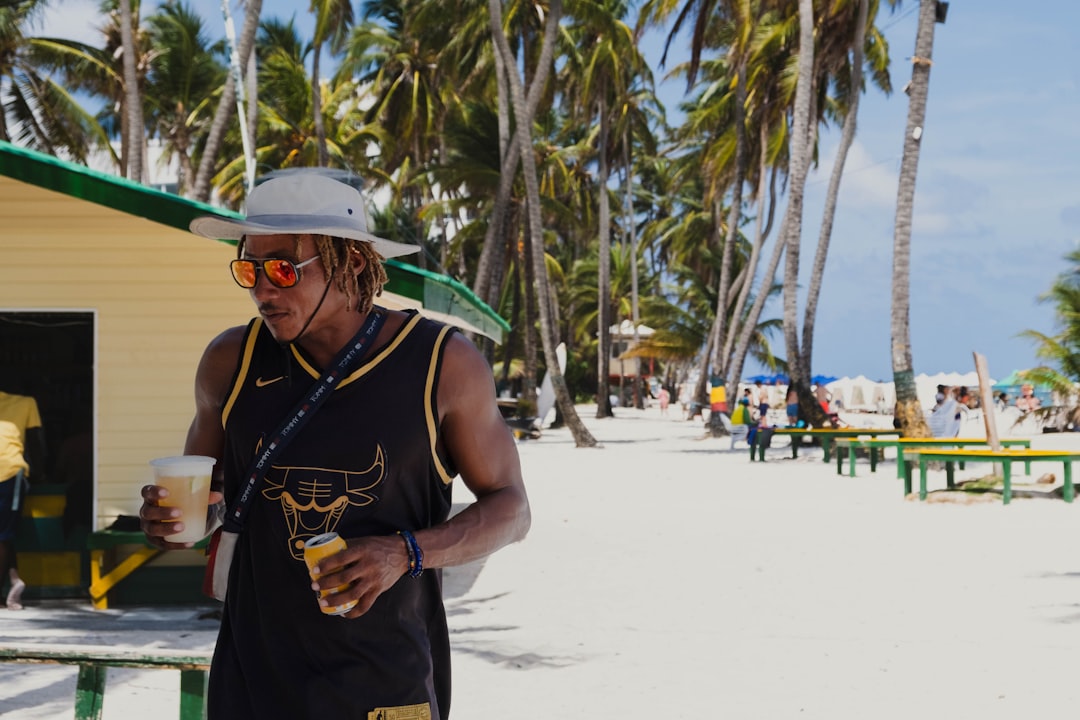
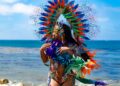
The festival unites many islands, including Trinidad and Tobago, Barbados, Haiti, Dominica, Saint Lucia, Jamaica, Saint Vincent and Grenada, Guyana, Suriname, and Belize, in one large celebration. Flags appear everywhere: on clothing, on hats, on faces. Costumes and face masks grow more elaborate each year. Participants invest both money and time in themes, costumes, and floats. Face masks come in a wide variety of styles inspired by natural and spiritual elements, mythical creatures, political events, and popular culture.

J’Ouvert: the celebration before the celebration
Before the main parade, a very different tradition takes the streets. The morning festival called J’Ouvert combines the French words “jour” and “ouvert” and refers to daybreak. J’Ouvert participants cover themselves with paint and powder, sometimes sharing it with others. The energy is raw and communal in a way the afternoon parade is not.
In the 1980s, the pre-dawn tradition of J’Ouvert joined the carnival lineup, bringing paint, powder, and percussion to Brooklyn’s early morning streets. The city moved the J’Ouvert start time to 6 a.m. after some violent incidents occurred in earlier years. Today, J’Ouvert and the main parade form a complete arc: the raw, street-level morning gives way to the spectacular, costumed afternoon.
Expert perspective on West Indian carnival in New York
The West Indian carnival in Brooklyn is not simply a parade. It is the single most important weekend of the year for Caribbean New York, both culturally and economically. Restaurants make their year in those few days. DJs fill every available slot. The city flies Caribbean flags from City Hall to the corner bodega. For families who came from Trinidad, Jamaica, Barbados, or Guyana, this is the weekend when the city actually reflects them back. The carnival connects generations: grandparents who marched in the 1970s stand on the same sidewalk as grandchildren in their first costume. That continuity is what makes it more than a party. It is living cultural memory.
Cultural and community perspective, Caribbean diaspora organizations in Crown Heights and Flatbush, Brooklyn
The scale of what Brooklyn produces
The numbers attached to the West Indian carnival in Brooklyn are difficult to absorb. Under the guidance of the West Indian American Day Carnival Association, the parade has expanded into one of the biggest parades in New York City, attracting 4 million spectators and participants from around the world. The event is free, and it is the single most important weekend of the year for Caribbean New York, both culturally and economically.
The West Indian American Day Carnival Association hosts a number of pre-parade events, featuring outdoor music sessions from Afro-Caribbean bands, a junior carnival with live music, and the steel band Panorama contest. The Panorama steel pan competition takes place on the Brooklyn Museum lawn, where steel orchestras compete for the top title. The full week of events means that the carnival is not 1 day. It is 5 days of culture compressed into a few Brooklyn blocks.


Why the West Indian carnival matters beyond Brooklyn
The parade is a cornerstone event for the Caribbean diaspora, reinforcing bonds of community while welcoming all cultures to join the festivities. New York did not simply host a Caribbean tradition. It helped transform and amplify one. Over the years, the parade has grown into one of the largest cultural celebrations in the United States, reflecting the spirit, resilience, and joy of the Caribbean community.
The West Indian carnival belongs to New York
Every August, the city shifts. Carnival Week events include Soca Fest, Junior Carnival, and the New York Panorama competition. By Labor Day morning, Crown Heights belongs to the Caribbean world. The West Indian carnival is proof that New York’s identity is not fixed. It is built fresh each year by the communities that make it their home. If you live here and you have never stood on Eastern Parkway on Labor Day, fix that. If you are visiting, plan your trip around it. The West Indian carnival does not come to you. You go to it, and it changes how you see this city.
Discover more about West Indian carnival
- J’Ouvert and West Indian American Day Carnival (NYC.gov)
- West Indian American Day Carnival Association (WIADCA) official site
- NYC West Indian Day Parade 2026: Date, location and events (FOX 5 New York)