
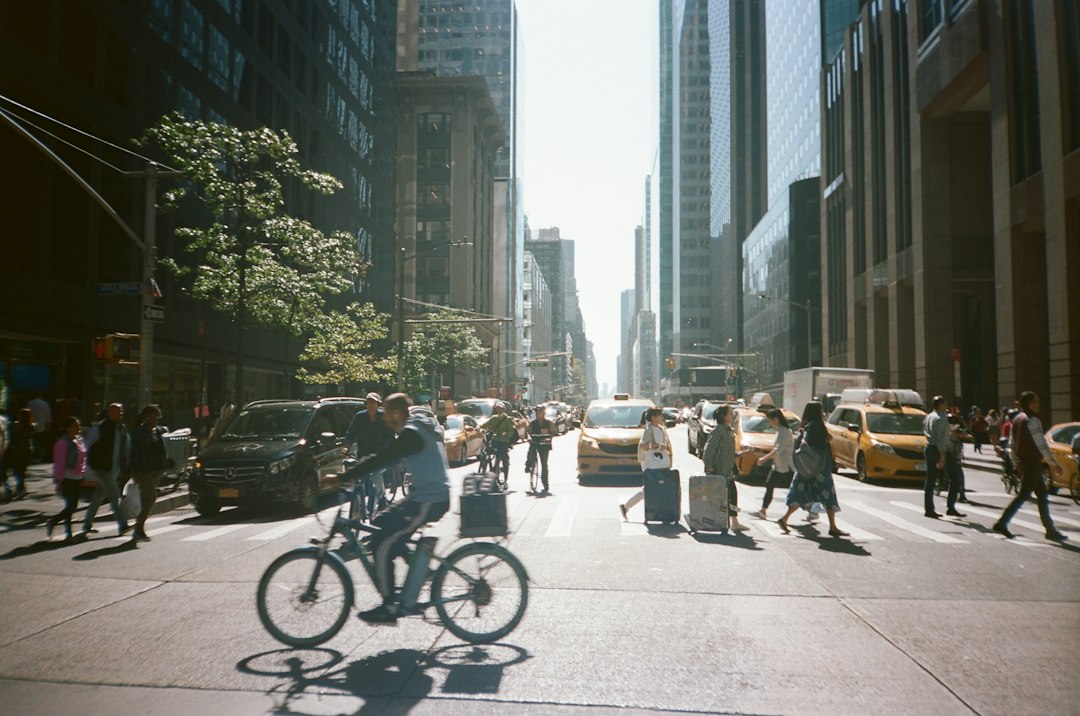
UN General Assembly week is the one time each year when your neighborhood stops being yours and briefly belongs to the entire world, and knowing what to expect makes all the difference.

What the UN General Assembly actually does to the East Side
Each September, New York becomes the center of global diplomacy as presidents, prime ministers, ministers, and diplomats from around the world gather at United Nations Headquarters. Most New Yorkers know the chaos is coming. Few know exactly when it starts.
The 81st UN General Assembly general debate runs September 22 through 28, 2026. Road closures and security perimeters begin the weekend before, on September 19 and 20. So if you live or work on the East Side, your week actually starts before Monday.
Every September, approximately 100 heads of state, 10,000 diplomats, and thousands of corporate and NGO participants descend on Midtown Manhattan. Heads of state and delegations from nearly 193 countries converge on UN Headquarters at First Avenue between 42nd and 48th Streets, bringing a frozen security zone, checkpoints, and dozens of daily motorcades that freeze cross-town traffic without warning.

The gridlock is real and the numbers are shocking
With dignitaries arriving from nearly 200 countries, the NYC Department of Transportation has designated every weekday of the conference as a Gridlock Alert Day. That designation means the entire week is officially the worst traffic period of the year.
DOT traffic data shows that average motor vehicle speeds in Midtown during UN General Assembly week are historically their slowest of the year: less than 4 miles per hour, whereas Midtown traffic normally averages between 4 and 6 miles per hour. To put that in human terms: a trip from Times Square to UN Headquarters that normally takes 10 minutes can take 35 to 50 minutes.
Drivers should expect extensive street closures and delays across Manhattan for the duration of those days, especially around the UN’s headquarters along First Avenue between 34th and 63rd Streets. The FDR Drive experiences unpredictable rolling closures for motorcades, making the east side of Manhattan effectively grid-locked during business hours. If you must travel, go west. The subway is your best option.
Security: what you will see on the street
The visible security presence during UN General Assembly week is unlike anything else in this city. NYPD security measures include heavy weapons units, bomb squads, drones, and counterterrorism teams deployed around Midtown East to safely manage planned protests.
A flight restriction around the UN for the duration of the General Assembly also applies to drones. If you fly one recreationally, leave it at home this week. The NYPD, Secret Service, and Mayor Mamdani are focused on the increasing threat that drones pose to large gatherings, particularly the largest gathering of heads of state in the world each year.
There will be rolling, intermittent closures citywide as certain delegations move. Thousands of NYPD officers will secure routes, fortify protection for the President of the United States, and support security at hotels where heads of state will be staying. Expect bag checks near hotel entrances and police officers on nearly every corner from 42nd to 57th Street on the East Side.
Expert perspective on the city during UNGA week
The UN General Assembly transforms Midtown in ways that most New Yorkers only experience on the surface. The visible disruptions, which are the road closures, the motorcades, and the security checkpoints, are only part of the story. Behind the scenes, the whole ecosystem of the neighborhood shifts. Restaurants and hotels plan months in advance for delegation dinners, private events, and last-minute bookings from country representatives. Local business owners who know the pattern use the week to their advantage, not fight it. The neighborhoods that adapt fastest are the ones that understand UNGA is not a disruption. It is its own economy arriving every September.
Industry perspective, hospitality and local business professionals in Midtown Manhattan
How local businesses actually benefit
Here is the part that does not make the news. Despite traffic disruptions, the UN General Assembly provides a significant economic boost to local businesses. Restaurants near the UN fill up with delegations. Hotels run at near-full capacity.
According to the UN Economic Impact Report, being the home of the UN provides annual economic outputs of over $3.69 billion. Hotels experience an uptick in demand, and local restaurants and small businesses thrive, catering to the influx of visitors who contribute significantly to the city’s food, retail, and service sectors.
In the run-up to Fashion Week, average nightly hotel rates in New York climb from a baseline of about $347 to $526, a 52% increase. That is already a hefty markup. But then the UN arrives, and prices leap again, another 24%, averaging around $653 a night. If you had plans to book a Midtown hotel this week, rebook now or go further west.
How to move around like a real New Yorker
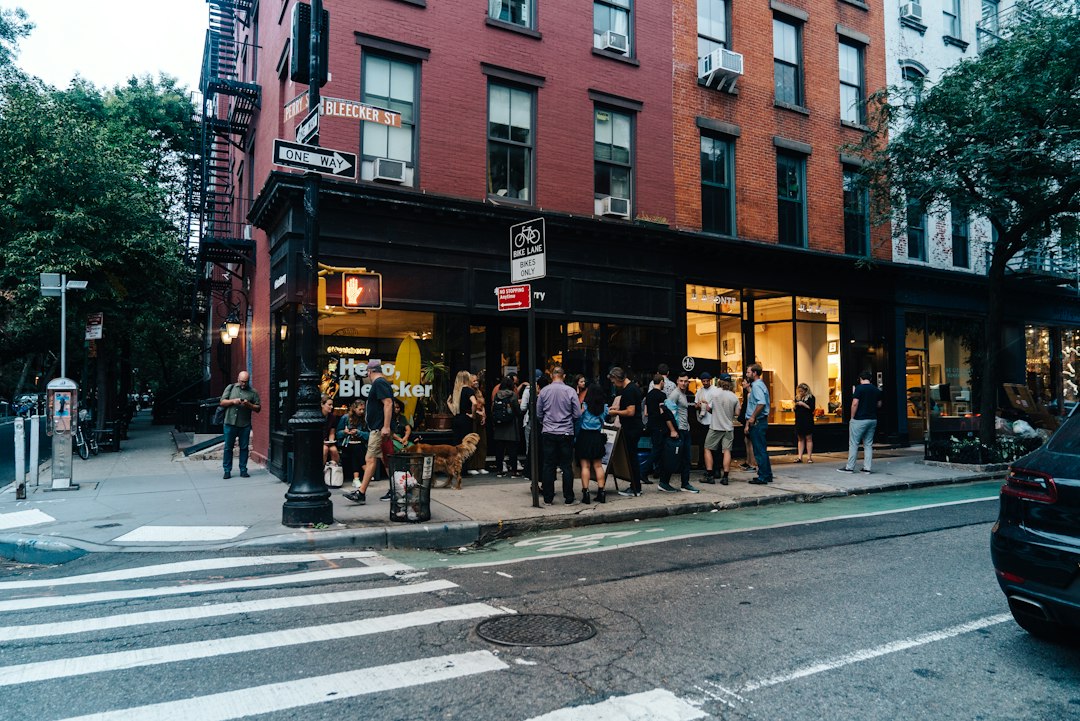
The subway is the answer, full stop. The 4, 5, 6, 7, E, and M lines and Grand Central all run normally during UN General Assembly week, which makes the subway the most reliable way to cross Midtown while surface streets are frozen. Station entrances closest to the UN occasionally see brief security holds, but service itself is rarely disrupted.

NYC DOT encourages New Yorkers and visitors to consider public transportation, regional rail, ferries, walking, or cycling when possible during Gridlock Alert Days. Walking is often genuinely faster than any vehicle during peak motorcade hours between 9 a.m. and 7 p.m.





GPS navigation apps like Google Maps and Waze do not reliably account for UN General Assembly-specific closures in real time. Rideshare drivers following standard GPS frequently get stuck on First Avenue or routed directly into the closure zone. Plan your route ahead of time, use the subway, and add at least 30 minutes to any surface trip you cannot avoid.
The bottom line for New Yorkers this week
The UN General Assembly is one of those events that reminds you exactly what kind of city you live in. It brings the full weight of global diplomacy to a few Midtown blocks, and New York handles it the way it handles everything: loudly, imperfectly, and with a kind of pride. Use the subway. Avoid First Avenue. Let the motorcades do their thing. The UN General Assembly is inconvenient for a week, and it is also the reason New York is New York. Plan ahead, stay flexible, and you will get through it exactly like a born-and-raised New Yorker should.