
West African life in the Bronx is not hidden. Walk down Westchester Avenue or through Morrisania, and the evidence is everywhere: the smell of palm nut soup, the sound of Twi and Wolof, the bright wax-print fabrics in store windows, a community that has quietly rebuilt itself in one of New York’s most overlooked boroughs.
How West African immigrants settled the Bronx
The Bronx is home to one of the largest populations of African immigrants in the country, particularly from West African countries. The borough holds one of the largest West African enclaves in the northeastern United States. This did not happen by accident.

A new wave of West African migration began around 1980. Nigerian immigrants arrived at about the same time, carried by an oil boom that transformed their country’s economy. Over the following decades, people from Ghana, Senegal, Mali, Guinea, Gambia, and Togo followed. Research teams found active communities in Morrisania, Highbridge, Tremont, Morris Heights, and South Fordham.
The Bronx is a borough that draws more foreign immigrants than entire metropolitan areas. About half of the area’s households speak a language other than English at home. Among the primary languages spoken in the borough are Wolof, French, and Arabic, all common across West Africa. The Bronx did not simply receive these communities. It became theirs.
The food that defines West African Bronx life
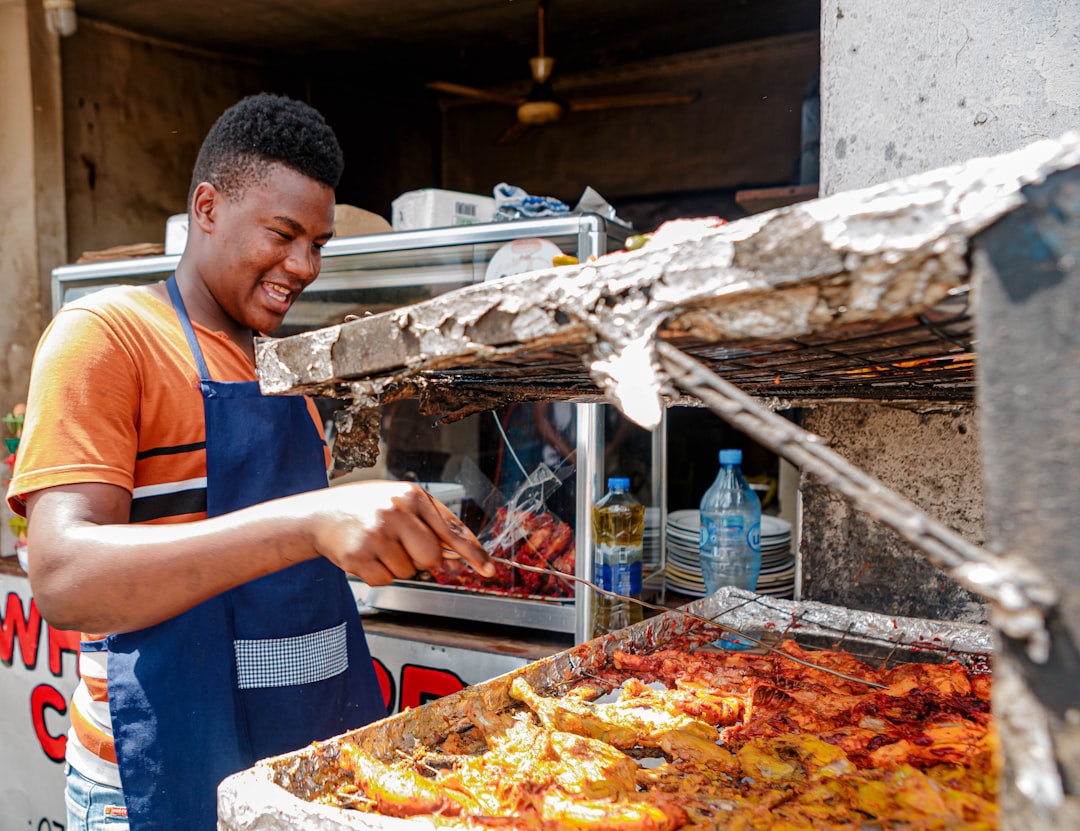
Walk into any West African restaurant in the Bronx and you understand immediately that this food is serious. It is based on starches like rice and white yam fufu, topped with meat, fish, and poultry sauces often called soups. These are not simplified versions. They are the real thing, made for people who grew up eating them.

There are now at least 75 West African restaurants in the city, mainly in the middle Bronx, Harlem, Jamaica, and Bedford-Stuyvesant. In the Bronx alone, restaurants like Papaye, Adom African Cuisine, Mama G African Kitchen, and Fouta Halal Food serve crowds daily. Papaye, a Ghanaian and West African spot, has been run by the same family since the 1980s.
Fouta, located in the Soundview section of the Bronx, combines dishes from Senegalese and Guinean cuisine. Inside, diners eat bowls of fluffy white rice and sauce de feuilles made with sweet potato leaf, or lamb mafe decorated with a single scotch bonnet pepper. These dishes carry history in every ingredient.
Markets, mosques, and the full shape of a community
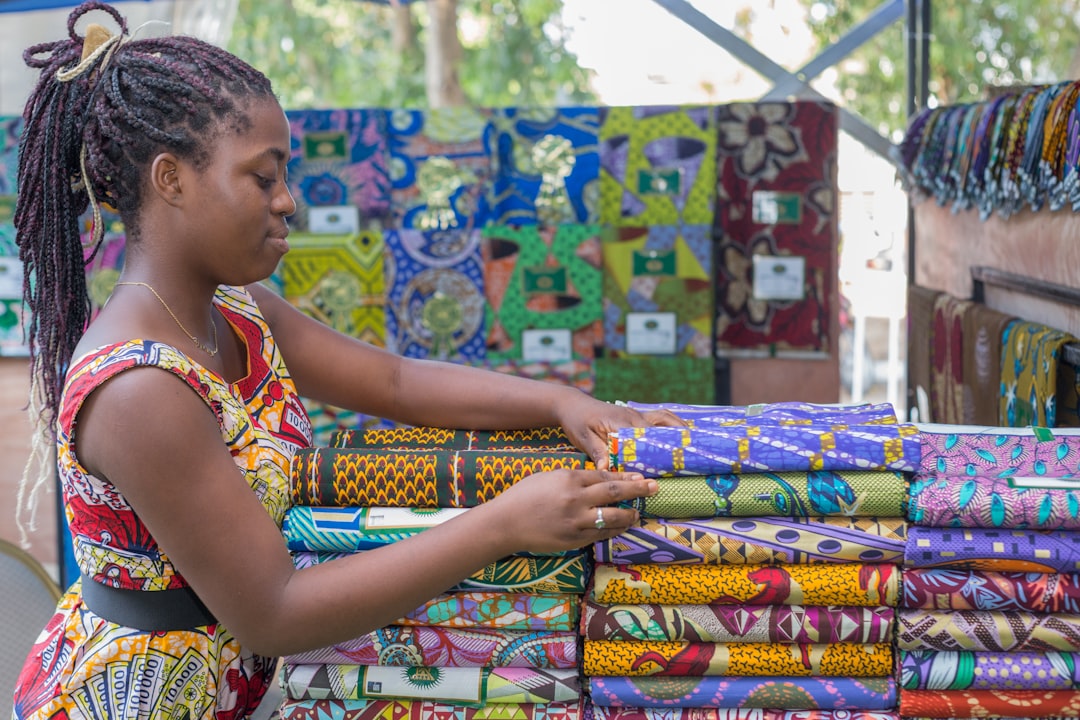
Food is only one part of what West African immigrants have built in the Bronx. Smoked fish from Gambia, vibrant Ghanaian cloths, and spices imported from Nigeria fill shops across the borough. At places like Gold Coast Trading Company, African immigrants stock up on foods from home. The store also works as an informal marketplace, where regulars sell homemade goods and imported cloths.
Research compiled a list of African establishments in the Bronx that included 19 mosques, 15 churches, 19 markets, 9 restaurants, 6 hair-braiding salons, 6 African-owned newspapers, and 2 law firms. That is not a community passing through. That is a community that has decided to stay. The Bronx is home to the largest community of Ghanaians anywhere outside Ghana.
To serve this growing community, Fordham University began offering a course in Asante-Twi, a Ghanaian language. That is the kind of impact that changes institutions, not just neighborhoods.
Expert perspective on West African immigrant communities
West African immigrants in the Bronx have done something remarkable. They have not simply survived in a difficult city. They have created an entire parallel infrastructure: places of worship, markets, schools, and community organizations that hold culture together across generations. Their contributions are economic, social, and spiritual. The children of these immigrants grow up navigating two worlds at once, and that experience makes them uniquely equipped to bridge communities that rarely talk to each other. Studying their life histories shows that this group should never be seen as dependent solely on social services. They are builders.
Academic perspective, African immigration researchers and community studies professionals in New York City
The tensions and the rewards of building something new
Building a community in a new country is not simple. A 2024 report found that African and Black migrants were disproportionately affected by New York City’s shelter policies. Between July and October 2023, African migrants from Mauritania and Senegal received a high share of eviction notices despite not being the largest shelter populations.
West African mosques provided housing with no city compensation. As of June 2024, no African vendors were associated with contracts from the Mayor’s Office of Immigrant Affairs in New York. These gaps are real, and they matter to the people who live with them every day.





Still, the community continues to grow and adapt. Senegalese migrants who arrived in 2024 chose the United States over Europe, believing it offered more opportunity. They arrive with energy, with skills, and with food. The Bronx receives all of it.
West African Bronx is a story the whole city should know
The West African Bronx is not a footnote in this city’s story. It is an active, living chapter that most New Yorkers have never read. Walk the right blocks and you find West African food that belongs in every conversation about great New York eating. You find mosques, markets, and newspapers. You find families who came far and stayed longer than anyone expected.
This is what the Bronx does. It takes people who arrive with nothing but courage and gives them a block to call their own. The West African community took that block and built something lasting. Go eat the fufu. Talk to the people behind the counter. The West African Bronx is waiting, and it has been here all along.

Discover more about West African
- NYC Mayor’s Office of Immigrant Affairs: 2024 Annual Report on New York City’s Immigrant Population
- Center for Migration Studies: A Portrait of Immigrant New Yorkers (2025)
- Documented NY: African Migrants in NYC and the Stubborn Belief in the American Dream (January 2025)