
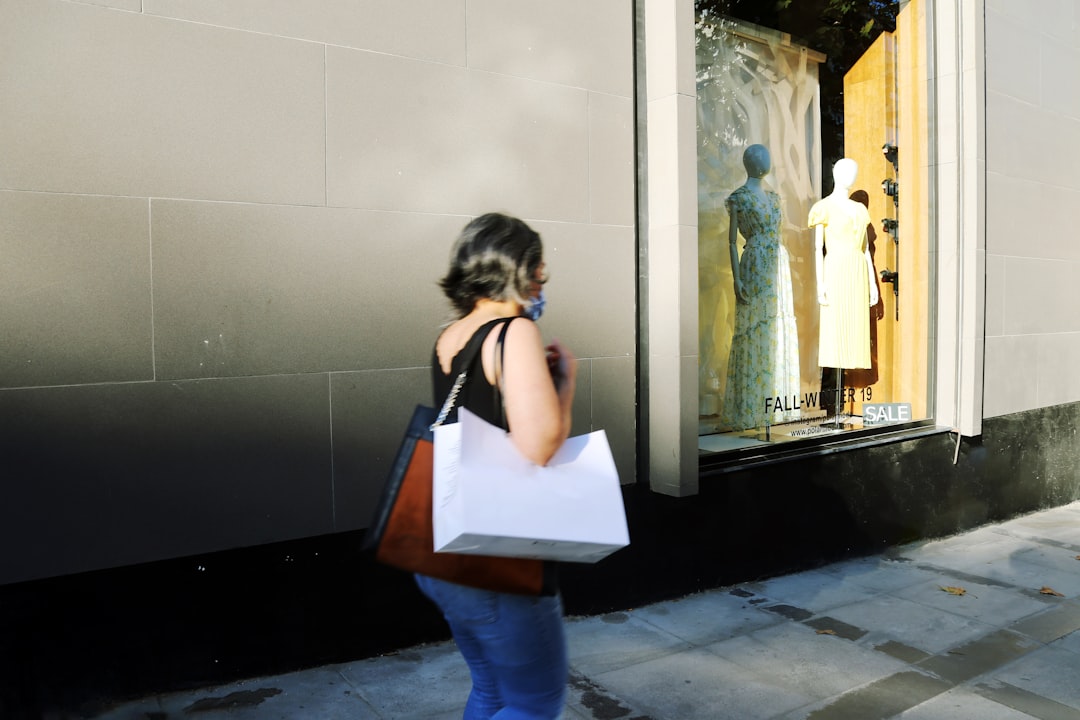
Sample sales in New York City are one of fashion’s great pleasures, but they reward the prepared shopper far more than the impulsive one.
What sample sales actually are
Sample sales in New York City are limited-time events where designers and brands sell past-season items, showroom samples, and overstock at deep discounts, often up to 70 to 90 percent off retail. Before sample sales existed, brands struggled to sell previous seasons’ stock, so items would often go to waste. Now sample sales give those pieces a second chance and help reduce the fashion industry’s environmental impact.

Most New York sample sales take place in Manhattan. Organizers like 260 Sample Sale host events all year round in central locations across the city. During peak season (April to June and October to December), New York City sees 15 to 25 new sample sale events per week. The shoulder months of July through September still produce 5 to 10 sales per week.
As an Italian, I think of shopping the way I think of cooking. You do not need every ingredient at the market. You need the right ones.
Build your wardrobe list before you go
The single most effective tool you can bring to any sample sale is a written list. Before you leave home, open your wardrobe and look at it honestly. Note the gaps, the colors you need, and the categories where you feel underserved. Write these down on your phone.

The strongest sales offer sharp markdowns on pieces with long wardrobe life, including coats, boots, tailoring, knitwear, and leather bags. These are the categories worth prioritizing. A beautiful linen shirt at 70 percent off is a genuine investment. A sequined dress you have no occasion to wear is simply an expensive mistake at a lower price.
A core sustainable strategy is to touch things and try them on in real life so that you only buy what you love, instead of buying and returning items, which can lead to negative environmental impact. At a sample sale, that discipline becomes even more important because returns are almost never possible.
Sample sales NYC: practical rules on the ground
Popular sample sales frequently have lines to enter, require you to store your coat or bag at a coat check, and involve competing with other shoppers to find items before others do. Arrive with patience and a clear head. Crowds create pressure, and pressure creates regret.
Items bought at a New York sample sale are usually sold as is, and you will not be able to return them, so check every item thoroughly before you buy. Credit cards are accepted at most events, but carry cash as a backup. Also, most New York City sample sales do not have fitting rooms. Wear fitted, easy-to-remove clothing. This is practical wisdom, not a style suggestion.
For major luxury sales, lines form before doors open. First-day crowds are the largest, but last-day prices are often even lower. Decide which matters more to you: selection or price. Both are valid. The mistake is arriving late on the first day and paying first-day prices for second-day leftovers.

Expert perspective on intentional fashion buying
Shopping a sample sale well is really about editing before you enter the door. The shoppers who leave satisfied are the ones who already understand their wardrobe. They know their palette, their proportions, and the 3 or 4 categories where they genuinely need something new. When you walk in without that clarity, the discounts do the thinking for you, and that is when you bring home things you never wear. The sustainable choice is not just about the brand’s supply chain. It is about whether you will actually use the item 50 times. A well-made piece at a sample sale price that lives in your wardrobe for a decade is one of the most responsible purchases you can make.
Industry perspective, sustainable fashion and wardrobe consulting professionals in New York City
Sample sales NYC: how to track the right events
Most New York sample sales fall into 4 groups: brand-run events, showroom clear-outs, multi-label sales, and online private drops. Each type requires a slightly different approach. Brand-run events tend to be better organized and have a cleaner selection. Multi-label sales offer variety but can feel overwhelming.
Sign up for brand newsletters, sale-host emails, and text notifications. Create a dedicated inbox folder for sale alerts. It sounds simple, but it helps you move fast when entry windows open. You can also follow organizers like 260 Sample Sale, Soiffer Haskin, Clothingline, and VIP Sample Sale on Instagram for real-time announcements.
The 260 Sample Sale roster includes some of fashion’s most coveted names: Balmain, Marni, Jil Sander, Theory, Reformation, Rowing Blazers, and many more. For late summer specifically, the August calendar has included in-person events from brands like Fleur du Mal, Equipment, Brooklinen, and Peace of Cloth.





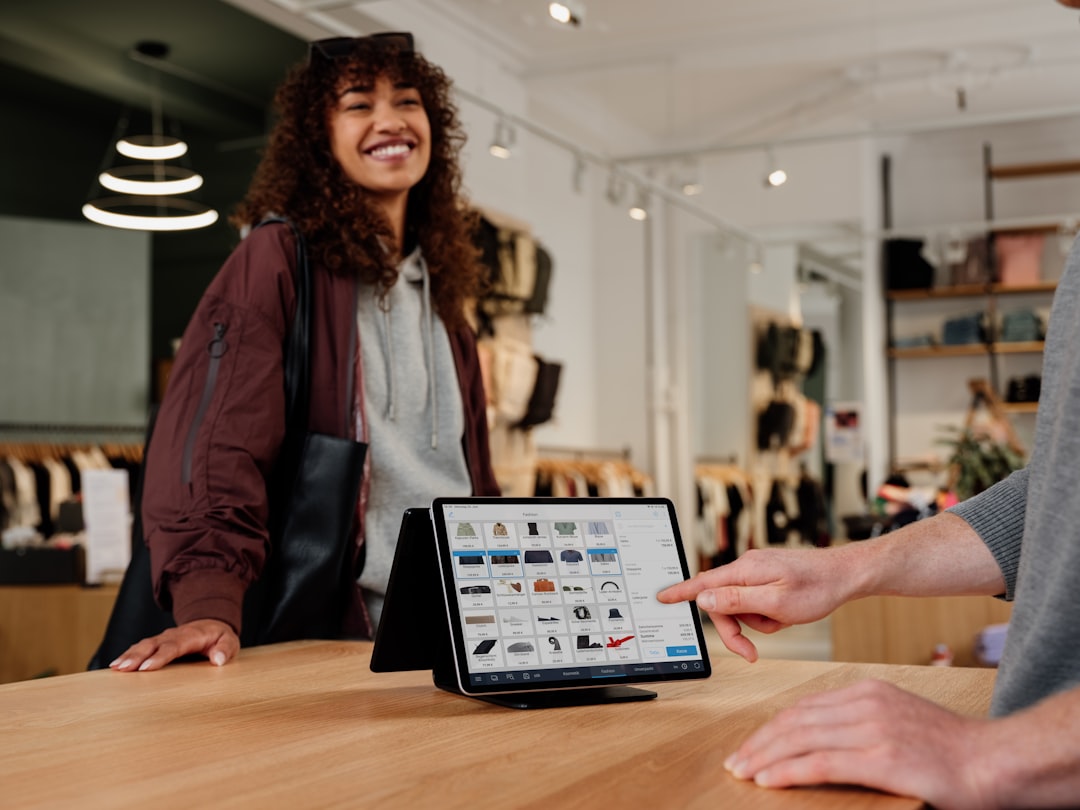
The intentional exit: what to do at the register
Before you reach the register, hold every item and ask 3 questions. First: does this fit the list I made at home? Second: does this work with at least 3 things I already own? Third: would I pay full price for this if I had the budget?
If the answer to all 3 is yes, the piece earns its place. If even one answer is no, put it back. This is not deprivation. This is craft. An Italian wardrobe is not large. It is precise.

Fashion with intention means the sale works for you, not the other way around. The goal is a wardrobe that feels complete, not a closet full of discounts you regret.
Conclusion: shop sample sales with purpose
Sample sales in New York City offer something genuinely rare: access to beautiful, well-made fashion at prices that make quality accessible. The opportunity is real. The risk is also real. Every item you buy and never wear represents wasted money, wasted material, and a wardrobe that does not serve you. Approach sample sales with a clear list, physical discipline, and honest self-knowledge. Ask the 3 questions at the register. Leave the sale feeling lighter, not heavier. When you do it well, sample sales become one of the most satisfying and sustainable ways to dress in this city.
Discover more about sample sales
- Sample Sales NYC: Complete Weekly Directory
- Chicmi New York Sample Sales Community and Calendar
- NYC Sample Sales Calendar: NYC Insider Guide