
Pop-up retail in New York City is one of the highest-stakes short-term business moves a brand can make: the city rewards operators who come prepared with real numbers and the right permits, and it quickly exposes those who do not.
What permits you actually need
Although these setups are temporary, the legal requirements are not. Cities and states treat them as real businesses, which means permits, licenses, and compliance rules apply from day one.
A Temporary Retail Permit is essential for sales operations, and costs usually range from $100 to $200. If you plan to use outside signage, a sign permit is typically required as well, with costs falling between $50 and $200. If you host events at the space, an event permit can cost between $100 and $500.
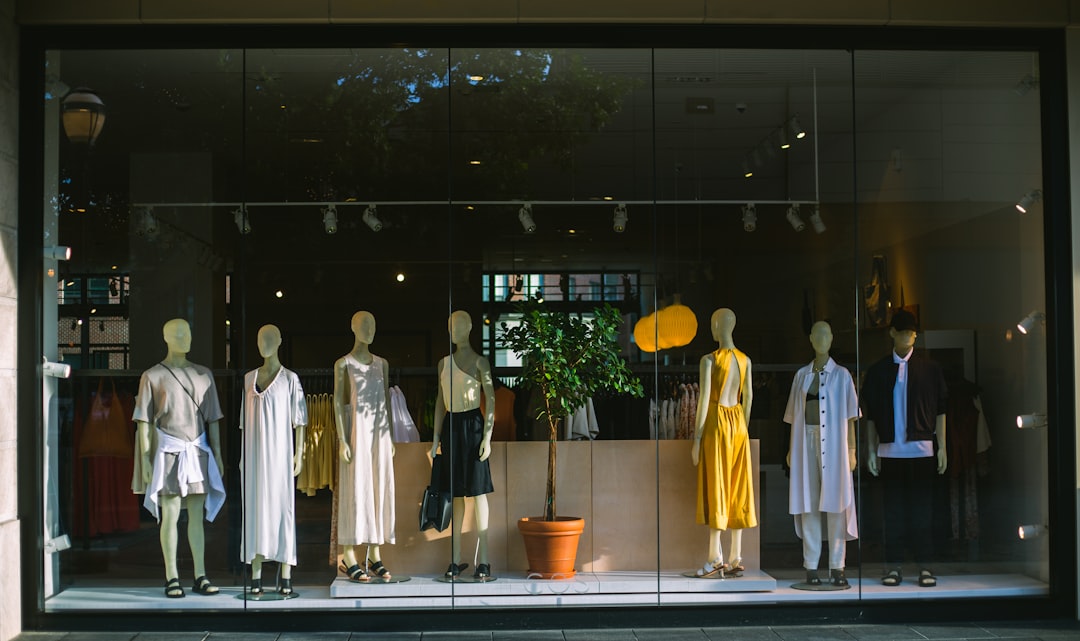
A pop-up inside a legally leased retail space usually does not need a special street activity permit simply because customers walk in, shop, and leave. That is standard retail. The permit conversation changes when the experience extends outside the storefront or starts affecting public space. In that case, a Street Activity Permit (SAPO) is required for most events or activations on public streets, sidewalks, or plazas.
Even short-term retail operations are subject to city and state sales tax requirements: any brand selling goods in NYC must collect and remit sales tax. If your pop-up involves food, beverages, or samples, additional permits are required, including a food service license for prepared foods, possible on-site health inspections, and alcohol permits if you plan any tasting or sale.

Best locations for pop-up retail
The location you choose has the biggest impact on your budget. Premium neighborhoods like SoHo, Tribeca, and the Upper East Side come with higher rental costs due to high foot traffic and affluent shoppers.
SoHo offers the highest visibility and foot traffic, making it ideal for brands that want maximum exposure. Broadway in SoHo is the busiest artery, anchored by flagships from Nike, Zara, and Uniqlo. Storefronts there typically run $3,000 to $4,000 per day. The neighborhood draws a mix of local New Yorkers, domestic tourists, and international visitors year-round, giving pop-up retail operators consistent foot traffic without relying on a single customer segment.
The Lower East Side and Williamsburg are strong choices for emerging brands with smaller budgets. East Village, Alphabet City, and the Lower East Side often offer more flexible and affordable spaces for emerging brands. West Village suits premium lifestyle and beauty concepts.
What to budget before you commit
A pop-up shop in NYC costs $3,500 to $35,000 per week for space alone. In neighborhoods like Harlem or Chinatown, rates start as low as $80 per day. Most brands budget $1,000 to $10,000 per week depending on location and season.
The space is the anchor, but it is rarely more than 40 to 60 percent of your total spend. For a clean, retail-quality build-out on a 500 to 800 square foot space, expect to spend $5,000 to $20,000 depending on complexity. Setting aside $500 to $2,000 for signage and branding materials is recommended, with fixtures and displays adding another $1,000 to $3,000.
Plan for 1 to 2 staff per shift for a small space and 3 to 5 for a larger activation. At NYC retail rates, that is roughly $20 to $35 per hour per person for experienced brand ambassadors. For a 7-day pop-up running 8-hour days with 2 staff, labor alone reaches $2,800 to $5,600 before any agency fees. Marketing and promotion should receive a separate allocation of around $1,000 to $5,000.

Expert perspective on pop-up retail compliance
Operating a short-term retail space in New York City is not simply a real estate transaction. It involves zoning verification, sales tax registration, lease clause review, and in many cases coordination with multiple city agencies simultaneously. Brands frequently underestimate how early compliance work must begin. A permit application submitted one week before opening is rarely sufficient in a market where approvals can take several weeks. The most common and costly mistake is treating pop-up retail as informal retail, when city and state regulators treat it as fully accountable commerce from the first day of operation. Budget compliance costs as a fixed line item, not an afterthought.
Industry perspective, short-term retail and compliance professionals in New York City
Key compliance steps before opening day
Retail sales generally require a New York State sales tax certificate. You must also verify that the space you rent is zoned for your business activity. Retail space leases often contain clauses on permitted use, so you must confirm your short-term activation is permitted under the lease before signing.
A neighboring retailer, building manager, or local business improvement district can file a complaint with the city. A smart plan accounts for the businesses around the pop-up, including where the customer line will form, which entrances must stay clear, and how pedestrians will move through the block.





The permit requirements for a pop-up in New York City depend on the location, the size of the gathering, and the specific activities involved. Multiple city agencies may have jurisdiction, and a single activation can trigger requirements from several of them at the same time.
Conclusion
Pop-up retail in New York City delivers real market data, brand exposure, and revenue that no digital campaign can replicate. The operators who succeed treat every permit, every lease clause, and every budget line with the same discipline they apply to product. Space rental alone ranges from $3,000 to over $20,000 per month, and permits and licenses add $200 to $1,500 on top of that. Start your compliance work early, know your location’s true cost, and enter pop-up retail in New York City with numbers that reflect reality, not optimism.

Discover more about pop-up retail
- NYC Street Activity Permit Office (SAPO): How to Apply
- New York Pop-Up Shop Regulations, Permits, and Licenses Explained (Storefront)
- Pop-Up Shop Permits USA: Licenses, Costs and Requirements Guide (JDJ Consulting, 2026)