

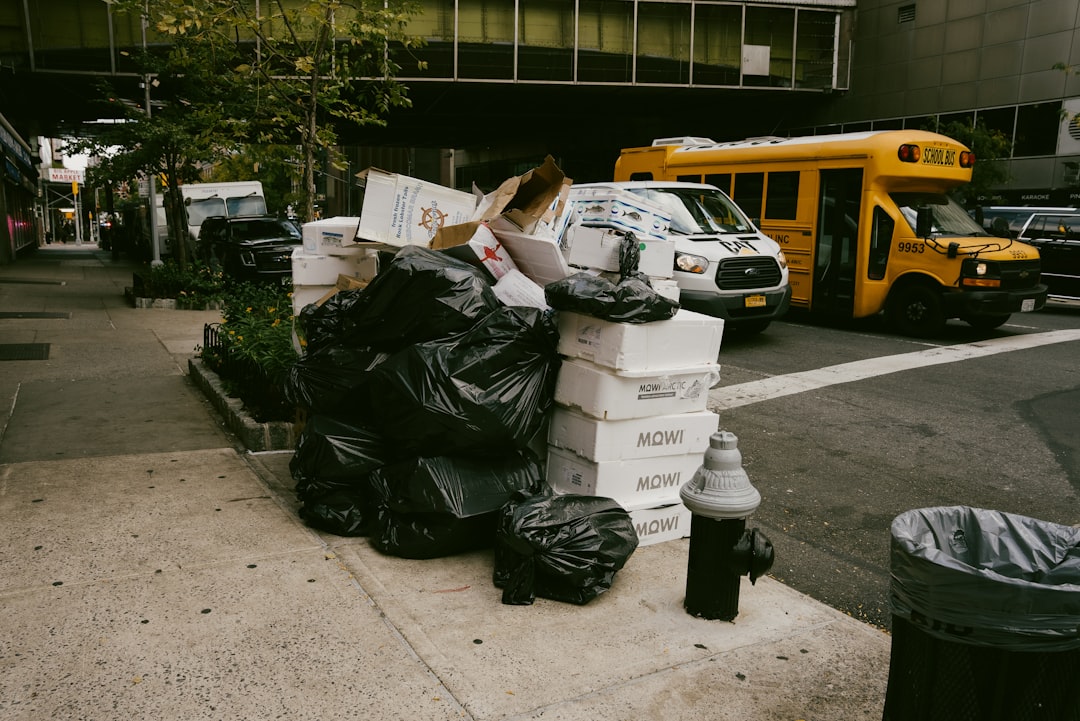
Household waste in a New York City apartment tells a story about how you live, and even small, considered choices can rewrite that story beautifully.
Why household waste matters more than you think
About 14 million tons of waste are thrown out each year, costing the city of New York nearly $400 million annually to transport to distant landfills and incinerators. That number is striking, even for a city that moves fast and never looks back.

A recent study found that 75% of New York City residential waste was made up of materials that can be diverted from landfill with currently available sanitation programs and private recycling operations. Yet the city’s diversion rate was only 20.2%. The gap between what is possible and what actually happens is where every New Yorker can make a real difference.
Organic waste, the largest portion of the city’s trash, decomposes in landfills and releases methane, a potent greenhouse gas that contributes to climate change. Once you understand this, separating your food scraps feels less like a chore and more like a clear, quiet act of responsibility.
Start with composting: the city makes it easy
Curbside composting service is now available to all NYC residents citywide, and compost is picked up every week on your recycling day. There is no sign-up form, no waiting list, no complexity.

The city collects all leaf and yard waste, food scraps, and food-soiled paper, including all food scraps such as meat, bones, shells, and dairy, as well as products certified or labeled compostable. Keep a small countertop container near your sink, empty it into your building’s bin each week, and the system does the rest.
Material collected through these programs is turned into either renewable energy to heat homes or into compost sold to landscapers and given away free to New Yorkers for use in their yards and gardens. That is a genuinely elegant loop, and you are part of it every time you scrape your plate into the right bin.
Recycling: know what belongs where
A 2023 study found that the residential waste stream was 32% curbside recyclables, made up of metal, glass, plastic, cartons, clean paper, and cardboard. Most of that material can stay out of the landfill, but only if it goes into the correct bin.
Electronic waste is the largest and fastest-growing source of household hazardous waste in New York City, and since January 2015, New York City has banned residents from disposing of electronic devices in the trash. If old phones, laptops, or cables are collecting dust in your closet, they need a different destination.
As of the end of fiscal year 2024, almost 19,000 buildings were enrolled in ecycleNYC, DSNY’s in-building electronics recycling program, and DSNY has collected 708 tons of e-waste through fiscal year 2024. Check with your building manager to see if your address is already enrolled, or request enrollment through the DSNY website.
Textiles and reuse: give things a second life
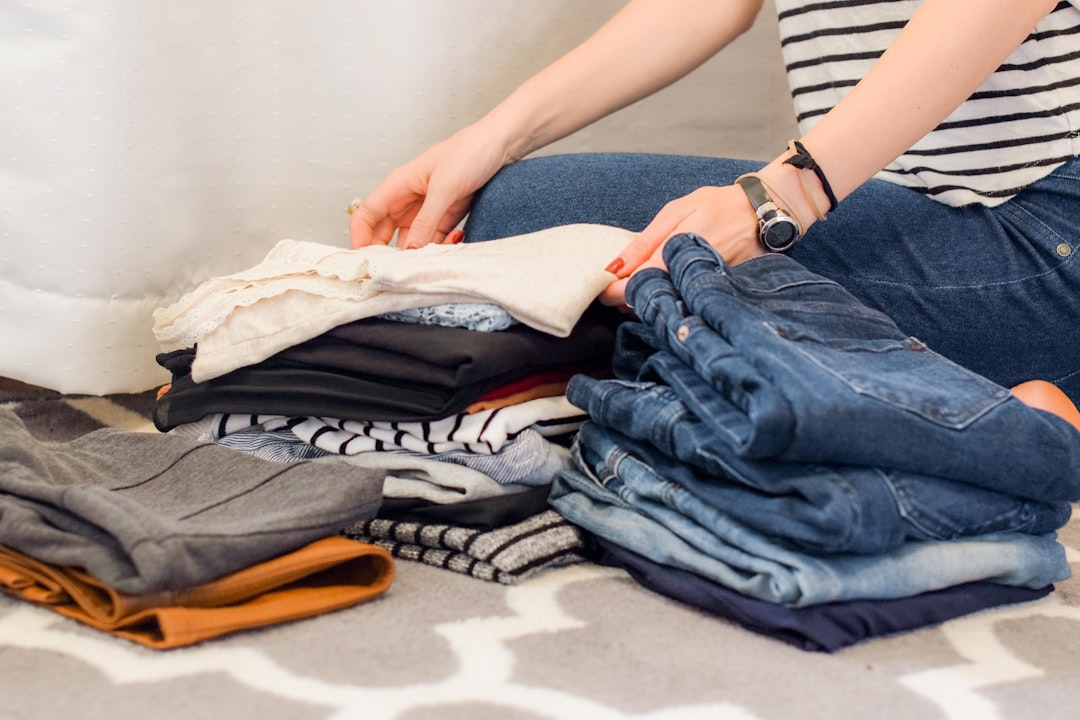
DSNY offers a citywide textile collection program called refashionNYC, available to residential apartment buildings with 10 or more units. All participating buildings receive a convenient in-building textile collection bin and on-call pickup. If you are not sure whether your building participates, ask your super.
Textiles make up 5% of the other divertible materials in the residential waste stream. That percentage may sound small, but across millions of apartments it represents an enormous volume of clothing, linens, and fabric that can be redirected rather than discarded. Think of reuse as editing, not eliminating.
GrowNYC runs a free community reuse program called Stop ‘N’ Swap, which hosts events where neighbors swap good items and divert waste from landfill, including gently used books, toys, fashionable clothing, housewares, and electronics. These events happen across all 5 boroughs and carry the kind of neighborhood energy that New York does so well.






Expert perspective on urban sustainability
The data tells a clear story: most of what New York City residents throw away does not need to go to a landfill. Composting and recycling programs now cover virtually every type of material produced in a typical household. The real barrier is behavioral, not logistical. When residents treat waste sorting as a habit rather than a burden, participation rates climb significantly. Buildings that combine convenient infrastructure with clear communication see the strongest results. The opportunity is enormous, because the programs already exist and the capacity is already there.
Industry perspective, sustainability and waste management professionals in New York City
Reduce at the source: buy with intention
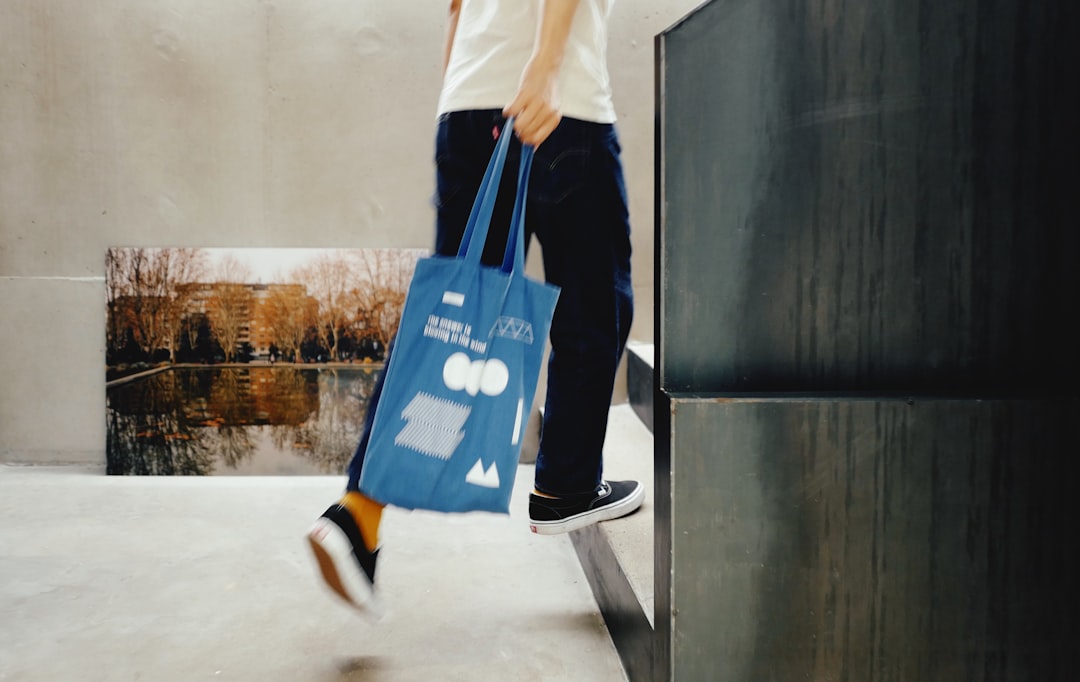
The most effective strategy for reducing household waste is also the simplest: bring less into your apartment in the first place. Choose products with minimal packaging. Bring a reusable bag every time, not just when you remember.
Collecting residential waste and transporting it via trucks or barges to incinerators and landfills across the region is an expensive process, and a city comptroller report found that it cost over $506 million to dispose of waste in 2024. Every item you refuse at the checkout reduces a share of that cost and the environmental weight behind it.

Think about the beauty in restraint. An apartment with fewer disposable things is cleaner, calmer, and more considered. That is a value any New Yorker with an eye for good living can appreciate and apply every single day.
Reduce your household waste, one step at a time
Reducing household waste in New York City is not a project reserved for those with a rooftop garden or extra time. The city’s composting program, ecycleNYC, refashionNYC, and community reuse events place the tools directly in your hands. Start with 1 change this week: separate your food scraps, sign up for textile pickup, or pass your old electronics to a certified program. Reducing household waste is an act of craft, a quiet statement that how you live here matters. New York rewards that kind of intention.
Discover more about household waste
- NYC Department of Sanitation: Curbside Composting
- DSNY 2024 Zero Waste Report
- Inside Climate News: NYC’s Trash Problem and Packaging Reduction