

Gluten-free is now a measurable business force in New York City, and the financial signals are too strong for any serious operator or investor to ignore.
Why the gluten-free market numbers matter
The global gluten-free products market is projected to grow from USD 8.34 billion in 2025 to USD 11.78 billion by 2030, at a CAGR of 7.2%. That is not a wellness fad. That is a compounding revenue stream. North America dominates the gluten-free food market with a market share of 51.69% in 2025. New York City sits at the center of that dominance.

The U.S. gluten-free products market size was estimated at USD 2.27 billion in 2024 and is projected to grow at a CAGR of 9.7% from 2025 to 2030. A near 10% annual growth rate in a mature consumer market is exceptional. The gluten-free products market is transitioning from a niche, condition-driven category to a mainstream functional food segment, with growth shaped by portfolio integration by large FMCG players and innovation in texture, taste, and cost parity.
Approximately 1% of Americans have celiac disease, requiring a strict gluten-free diet to avoid severe intestinal damage. But celiac patients are not the core growth driver here. Beyond clinical needs, gluten-free consumption is increasingly influenced by perceived digestive benefits, energy optimization, and clean-label preferences, with fitness-oriented and wellness-focused consumers actively seeking allergen-friendly foods. In NYC, where wellness spending is already elevated, that behavioral shift creates direct commercial opportunity.
How NYC restaurants are responding to gluten-free demand
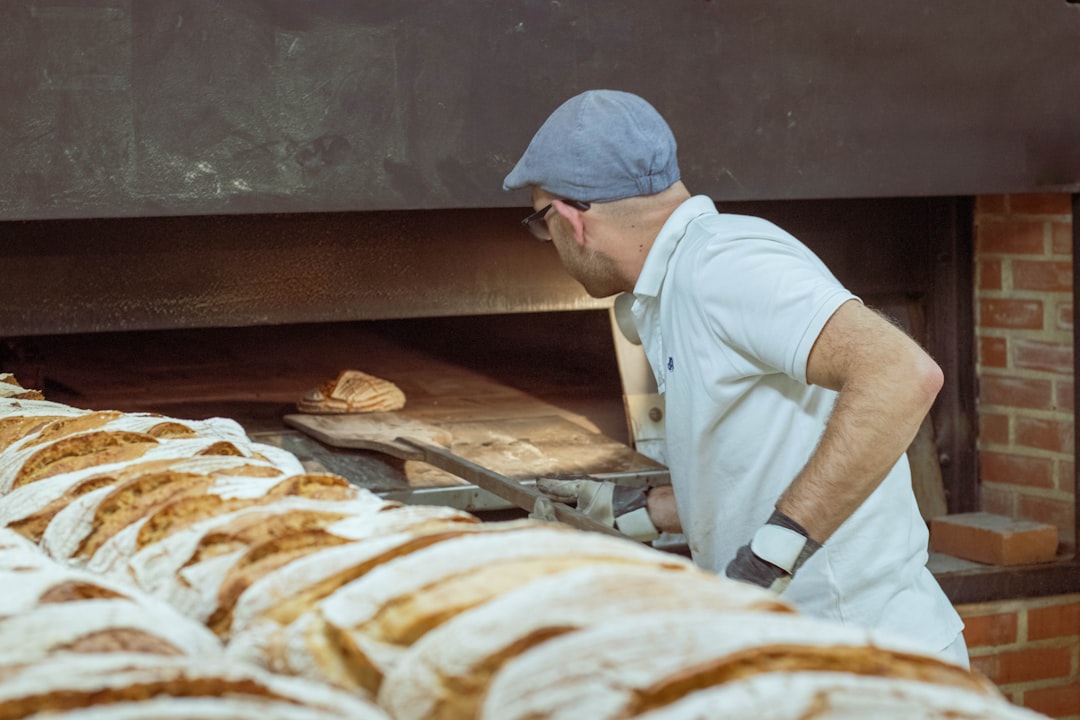
The city’s dining scene has evolved far beyond basic gluten-free pizza and rice bowls. Operators across Manhattan and Brooklyn are now building entire business models around the gluten-free category. Modern Bread and Bagel now has 4 locations across NYC as of 2025. That kind of multi-location growth signals consumer demand that justifies real estate investment.

A newcomer opening in 2025, KIMMI on Canal Street, offers a robust 47-seat dining room with a pan-Asian menu that is 100% gluten-free. New entrants at this scale confirm that entrepreneurs see a viable customer base, not just a dietary accommodation. Postcard on Carmine Street is a 100% gluten-free bakery serving sandwiches, mochi donuts, cookies, and other baked goods. These businesses are not compromising on product quality to serve the gluten-free category. They are building premium brands around it.
Quality control remains a business risk that operators must manage carefully. According to the National Institutes of Health, approximately one-third of restaurant foods labeled gluten-free in the U.S. tested positive for gluten. For dedicated gluten-free operators in NYC, strict kitchen protocols are not only an ethical obligation. They are a key competitive advantage that builds customer loyalty and protects the brand.
The retail opportunity in gluten-free
Bakery products lead the gluten-free market with the largest revenue share of 31.19% in 2025, with demand surging for gluten-free alternatives to traditional bread, cakes, cookies, and pastries. For NYC retailers, that means the bakery aisle is a primary battleground. Advances in food technology and ingredient innovation have improved the taste and texture of gluten-free baked goods, making them more appealing to a wider audience, and the increasing availability of these products in both mainstream retail and specialty stores has further driven market growth.
Specialty stores are expected to grow at a CAGR of 9.58% from 2025 to 2032 due to curated offerings and expert-driven retail. In a city like New York, specialty retail has strong infrastructure and a loyal customer base. Sales through supermarkets and hypermarkets accounted for a revenue share of 30.5% in 2024 in the U.S. gluten-free products market. The channel split tells investors that demand is distributed. No single format holds a monopoly.
Market growth is driven by rising celiac diagnoses, gluten sensitivity awareness, supportive labeling regulations, social media influence, clean-label trends, and increasing consumer focus on gut health and microbiome-friendly diets. Each of these factors is especially strong in NYC, where educated consumers read labels closely and social media influence on food choices is high.





Expert perspective on gluten-free as a business category
The gluten-free segment has moved well past its medical origins. What we see now is a category defined by consumer identity, not just dietary restriction. Investors who view this only through a celiac lens are missing the larger picture. Health-conscious urban consumers in markets like New York are building gluten-free into their daily routines regardless of diagnosis. Product innovation has closed the taste gap significantly, and that removes the last major barrier to mainstream adoption. Retailers and restaurateurs who invest in dedicated gluten-free infrastructure, rather than simple menu additions, will capture the most defensible margin in this space.
Industry perspective, food retail and wellness investment professionals
What the supply side is building
Manufacturers and marketers are capitalizing on this trend by aligning new product developments with other emerging trends in the food and beverage industry, with clean labeling, transparent packaging, and the inclusion of plant proteins driving market growth. For NYC food entrepreneurs, this means new suppliers are emerging and ingredient costs are becoming more competitive.
The Northeast shows steady demand for gluten-free prepared food with a CAGR of 4.9%, and large urban centers including New York have seen a rise in consumers choosing gluten-free options due to increasing understanding of gluten sensitivity and health benefits. Supply chains are adapting to serve this demand at scale. Earlier, gluten-free food was scarce and could only be found in selective retail stores, but changing times and increasing demand have pushed manufacturers to pursue product innovation.
Endorsements from health influencers and celebrities have helped normalize and popularize gluten-free diets, influencing consumer behavior and driving demand for gluten-free bread and bakery items across the country. In New York, that cultural momentum is amplified by the city’s media ecosystem and its outsized influence on national consumer trends.

Gluten-free is a long-term business position in NYC
The gluten-free market in New York City is not a trend waiting to plateau. The data shows sustained growth, improving product quality, and a consumer base that extends well beyond clinical need. The U.S. gluten-free products market is expected to reach USD 5.248 billion by 2033, with a compound annual growth rate of 9.8% projected from 2026 to 2033.
For NYC operators and investors, the question is not whether the gluten-free category will grow. The question is which businesses will build the infrastructure, brand trust, and supply relationships to capture that growth. Gluten-free is no longer a menu footnote in this city. It is a primary business strategy. The operators who treat it that way today will hold the strongest market positions tomorrow.

Discover more about gluten-free
- Gluten-Free Labeling of Foods
- U.S. Gluten-Free Products Market Size and Industry Report
- Top Gluten-Free Restaurants in NYC: 2026 Guide