


Car-free living in New York City rewards those who look closely. The city is a network of layers: underground trains, waterfront ferries, cycling paths, and streets designed to be walked slowly, like a piazza on a warm evening.
The subway: your first foundation
The New York City subway operates 24 hours a day, 7 days a week, connecting all 5 boroughs. With over 470 stations, it is 1 of the most extensive public transit systems in the world. That reach is the core of car-free living in this city.

In June 2025, New York City Transit surpassed 106 million rides, up 10 percent from 2024. Subway ridership in 2025 is up 8 percent compared to 2024 and 31 percent compared to 2022. The system is growing, not shrinking.
In recent years, weekend and off-peak weekday service has increased on 12 subway lines, reducing wait times for millions of customers. For those who work flexible hours, this matters deeply.
Manhattan and Brooklyn: the easiest boroughs
Manhattan is the obvious choice for car-free living. The subway coverage is denser, the walkability scores are higher, and the commercial density means almost nothing requires a trip outside your immediate area. Every errand, every gallery, every market is reachable on foot or by train.

Brooklyn converts the most car owners into permanent car-free residents. The combination of subway coverage, cycling infrastructure, walkable neighborhood commercial strips, and relatively lower rents than Manhattan makes it the most practical starting point for anyone moving to the city without a vehicle.
Key lines such as the A, C, F, and G connect Brooklyn neighborhoods, making travel to various destinations easy. Buses fill the gaps where subways do not reach, with routes like the B41 or B62 helping commuters navigate areas farther from train stations.
Queens and the Bronx: transit-rich and underrated
Queens is often underestimated in car-free conversations because its outer reaches are genuinely car-dependent. However, the western edge of the borough, the strip running from Astoria down through Long Island City, is as transit-rich as anywhere in Brooklyn and significantly cheaper in many pockets.
Long Island City is the most transit-dense neighborhood in Queens. The E, M, N, W, 7, and G trains all stop within the neighborhood, making it 1 of the best-connected residential areas in the entire city. For someone who values both space and connectivity, this area is a strong choice.
The Queens Bus Network Redesign, which began its first phase in June 2025, expands 24-hour service to hundreds of thousands of Queens bus riders and includes a 35-million-dollar annual investment in more service for the borough. The Bronx, meanwhile, benefits from improving infrastructure. Beginning in fall 2025, Citi Bike service expanded further to Norwood and Riverdale in the Bronx.






A perspective on urban mobility
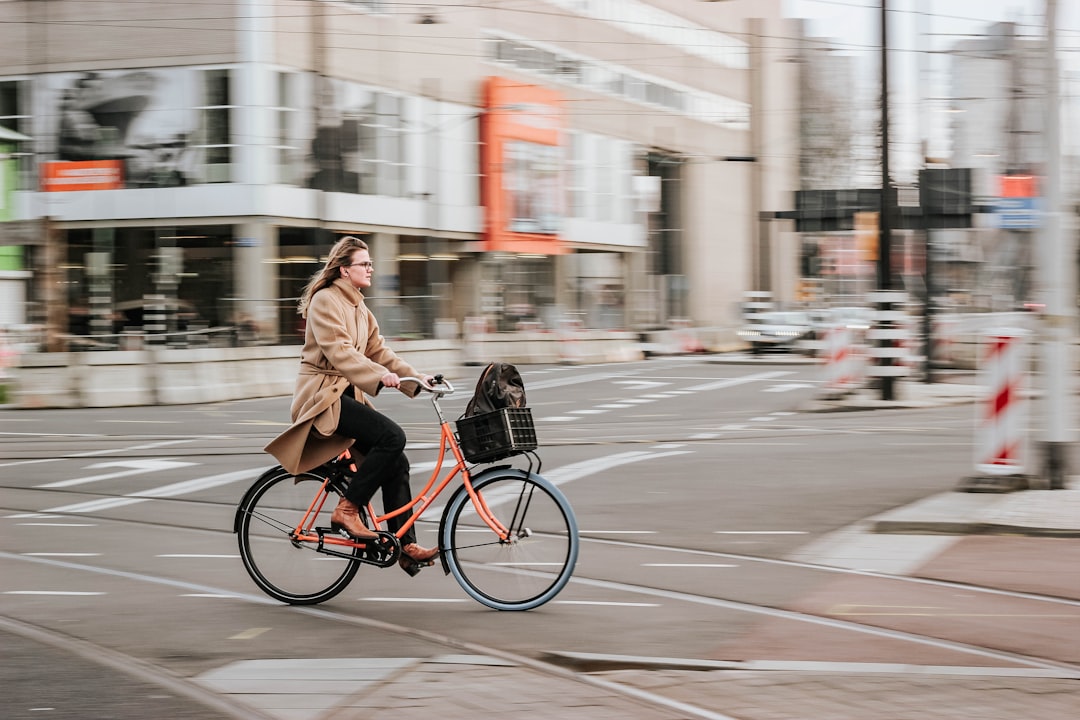
Car-free living in New York City is no longer a niche choice. It is becoming the default for a growing number of residents across every borough. Transit investment drives neighborhood quality: when a community gains frequent, reliable service, local retail improves, cycling infrastructure follows, and walkability scores rise. The outer boroughs are the most interesting story right now. Corridors in Queens and Brooklyn that felt car-dependent a decade ago now have strong subway access, dedicated bike lanes, and mixed-use streets that support daily life without a vehicle. The real shift is cultural. Residents who grow up using transit see the city as a connected whole, not a series of destinations reached by car. That perspective changes how people choose where to live, where they shop, and how they spend their time outdoors. The livable-city model is Italian at its core: the neighborhood as a self-contained world, and public space as something shared and beautiful.
Industry perspective, transit and urban mobility professionals in New York City
Staten Island: the honest picture
Staten Island requires the most planning for car-free living. Those living in Staten Island are among the most likely borough residents to own a vehicle. The borough’s layout is less dense, and subway access does not exist here.
Yet the borough is changing. Summer Streets on Staten Island returns to Broadway, from Richmond Terrace to Harvest Avenue, connecting residents from Corporal Thompson Park to 1 of the borough’s most popular commercial corridors. Car-free culture is growing, even in the borough most associated with driving.
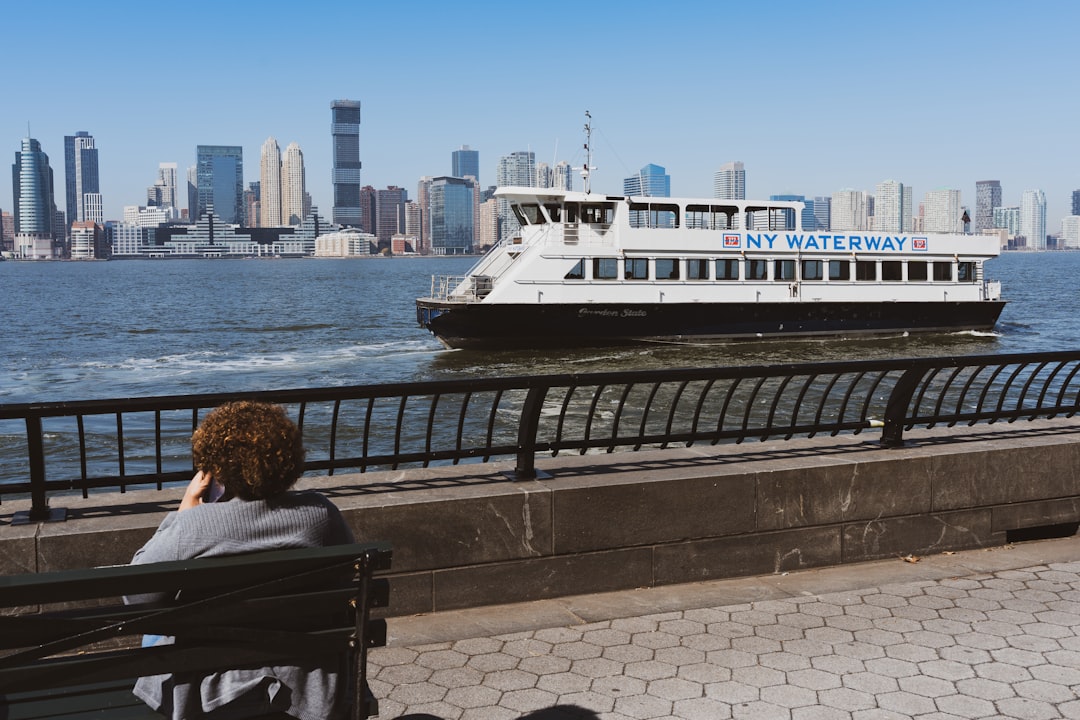
The Staten Island Ferry remains a beautiful and completely free crossing between St. George and Lower Manhattan. NYC Ferry provides a dependable and accessible way to commute and connect in Manhattan, Brooklyn, Queens, and the Bronx along the East River. The vessels offer comfortable conveniences including charging stations, Wi-Fi, and concessions, and they are the same price as a subway ride.
Cycling: the layer that ties it all together
Cycling has become increasingly popular in New York City, with an extensive network of over 1,300 miles of bike lanes. The Citi Bike bike-sharing program offers thousands of bikes across the city, while dedicated parking areas and bike-friendly public transit options make cycling a viable daily choice.
After the current Citi Bike expansion, 64 percent of New Yorkers will live within a 5-minute walk of a Citi Bike station. That number changes what is possible on 2 wheels. A Citi Bike membership adds a transit layer that makes many more neighborhoods viable for car-free living.

The neighborhoods that work best for car-free residents share a few common traits beyond subway access: walkable commercial strips that cover daily errands on foot, dedicated bike lanes or low-traffic streets that make cycling practical, and enough density that ride-share access is reliable when transit is not the right option.
Car-free living is a choice worth making
Car-free living in New York City is not a sacrifice. It is a way of seeing the city at a human scale, from the rhythm of a morning walk to the light on the water from a ferry deck. Each borough offers a different experience of that freedom, and the infrastructure to support it keeps improving.
Choose your borough with care, learn your transit lines, and add a Citi Bike membership to your routine. Car-free living here means more time outdoors, more money in your pocket, and a deeper connection to the neighborhoods you move through every day. The city rewards those who explore it on foot and by train. Start there.
Discover more about car-free living
- MTA New York City Transit: Subway and Bus Information
- NYC DOT Bike Share Expansion Plans and Maps
- The City: As U.S. Transit Takes a Dive, MTA Enjoys More Service and Stable Cash Flow