
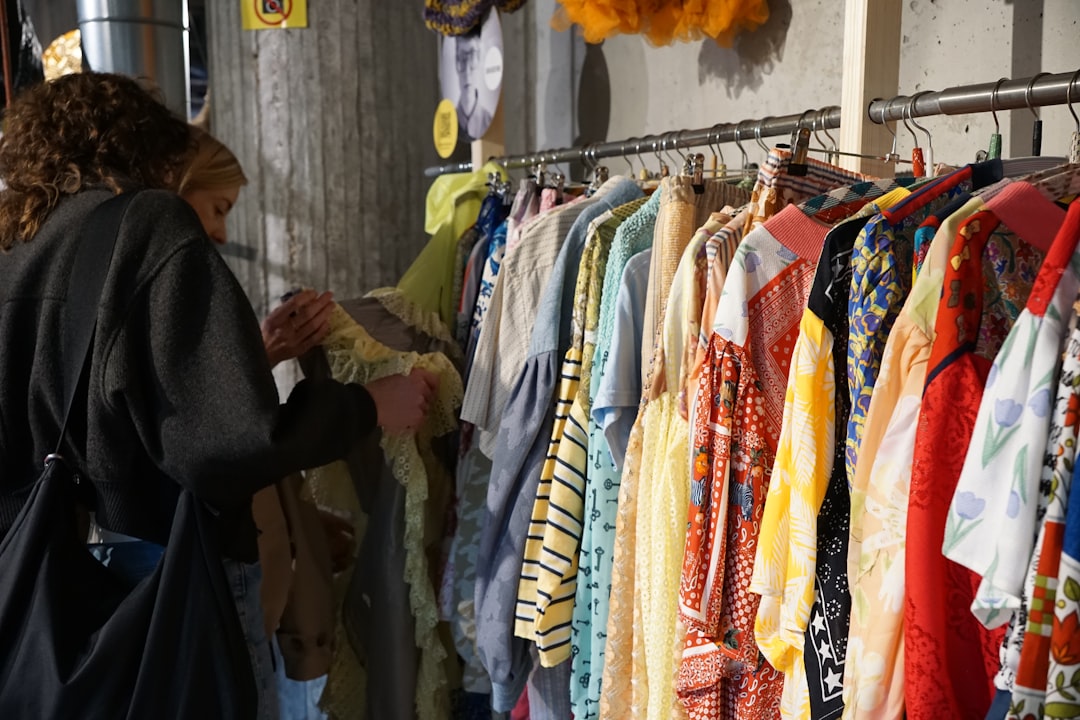
Vintage clothing in New York City carries a quality that few cities can match: every rack holds a garment with a past life, a distinct character, and the possibility of becoming something new in your hands.
Why NYC leads the world in secondhand style
New York City has always been a city where fashion moves fast and style runs deep. The secondhand market here reflects that energy. Stores are not random collections of old clothes. They are carefully assembled expressions of taste, culture, and neighborhood identity.

The global secondhand apparel market now generates hundreds of billions in revenue each year, and New York sits at its center. Locally, curators and collectors build entire businesses around sourcing rare garments. Sustainable shoppers find that thrift culture in this city offers quality that fast fashion simply cannot replicate.
The environmental case for secondhand shopping is strong. The fashion industry accounts for up to 10% of global carbon emissions annually. Choosing vintage clothing over new production reduces waste, extends the life of each garment, and supports a more circular economy.
The best neighborhoods for vintage shopping
SoHo remains one of the most important destinations for resale in the city. The area has become a center for luxury vintage, with shops that organize their stock by designer and decade. What Goes Around Comes Around, located on Wooster Street, is especially well known for pre-loved designer handbags from Chanel, Dior, and Saint Laurent.

Also in SoHo, the Japanese chain 2nd Street offers a smartly organized selection of streetwear and designer pieces. The store orders its garments by label, ranging from avant-garde names like Comme des Garçons to streetwear from Nike and Adidas. The SoHo location carries the widest selection across its New York outposts.
Brooklyn offers a different experience. Bedford Avenue in Williamsburg holds several secondhand shops within walking distance of each other. Awoke Vintage has 3 locations across Williamsburg and Greenpoint, carries raw denim in sizes 22 to 46, and includes price bins starting at 5 dollars. It is a welcoming entry point for anyone new to thrift shopping.
Stores with curated collections worth visiting
The East Village is a strong destination for shoppers who want a genuine edited experience. Tokio 7, a Japanese consignment store in the neighborhood, carries impeccably maintained designer and boutique pieces for both men and women. Shoppers can find labels like Acne Studios and Celine at a fraction of retail price.
Procell, located on Rivington Street in the Lower East Side, is one of the most respected vintage stores in the entire city. Co-founders Brian Procell and Jess Gonsalves have built a truly one-of-a-kind collection of archival designer pieces and quirky garments that attracts stylish visitors from around the world. The store is a reference point for vintage curators globally.
Additionally, Fantasy Explosion in Greenpoint takes a different approach. Owner Kevin Fallon documents niche parts of New York City culture through clothing and objects. For anyone interested in the deeper creative identity of the city, this store offers something that no other curated resale shop provides.






Expert perspective on vintage clothing in New York
New York City is one of the few cities in the world where the secondhand market has genuine depth across every category and price point. Shoppers can find a five-dollar bin next to a thousand-dollar archival coat, and both belong in the same conversation about personal style. What makes this city special is that the independent store owners here are true curators. They travel, they research, they edit. The best vintage shops are not just retail spaces. They are living archives of fashion history that happen to be open to the public. That combination of accessibility and expertise is what keeps New York at the front of global vintage culture.
Industry perspective, sustainable fashion and resale professionals in New York City
Thrift stores that give back to the community
Not every secondhand store in New York City is purely commercial. Several operate as nonprofits and direct their proceeds to important social causes. Housing Works runs multiple thrift shop locations across Brooklyn and Manhattan. All profits from these stores support efforts to end homelessness and provide care for people living with HIV and AIDS.
Similarly, Cure Thrift Shop in Manhattan donates all proceeds to diabetes research organizations. The store carries vintage clothing, modern pieces, antiques, and home goods. Its philanthropic mission has built a loyal customer community that returns regularly.
Furthermore, Buffalo Exchange operates several New York locations and gives a portion of revenue to local arts, environmental, and women’s organizations each year. The East Village location is particularly active and carries a wide range of secondhand clothing from contemporary labels and vintage pieces.
How to find the right store for your style
First, consider what you are looking for before you visit. SoHo and the Lower East Side are best for designer resale and curated vintage. Brooklyn neighborhoods like Williamsburg, Greenpoint, and Dumbo are better for affordable thrift finds and neighborhood-scale boutiques. The East Village offers a strong middle ground with both curated and accessible options.
Second, use the NYC Vintage Map at nycvintagemap.com before your visit. This online resource lists all resale and thrift locations across the city by area and category. It helps you plan a route and avoid missing smaller stores tucked into side streets.

Third, arrive with an open mind and enough time. The best vintage clothing finds require patience. Spend time in the store, try pieces you would not normally consider, and speak with the shop staff. In most curated boutiques, the team can guide you toward pieces that suit your taste and budget.
Discover more about vintage clothing in New York
Vintage clothing in New York City offers far more than a way to refresh your wardrobe on a budget. Each store is a small cultural institution, shaped by the people who built it and the neighborhood it lives in. The secondhand market here connects sustainability, community, and craft in a way that few retail experiences can. Whether you choose a nonprofit thrift shop in Manhattan or a curated designer resale boutique in SoHo, you leave with something that carries meaning. Explore these stores with curiosity, and you will find that vintage clothing in New York rewards every visit with something genuinely new.
Discover more about vintage clothing
- ReFashion Week NYC: Celebrating Secondhand and Sustainable Fashion
- How Big Is the Vintage and Secondhand Fashion Market?
- Resale Market 2026: From Thrift to Retail’s Next Growth Engine