


Kitchen space in NYC is the first real capital decision a food startup makes, and getting it wrong burns cash before a single unit ships.
Why shared kitchen space changes the math
Most early food founders in New York City underestimate what a private lease actually costs. A small kitchen under 800 square feet runs between $1,200 and $2,500 per month, while a mid-size unit between 800 and 1,500 square feet pushes $2,500 to $4,000 per month. Add fit-out costs, permits, and equipment, and you are looking at a six-figure commitment before you sell a single product.

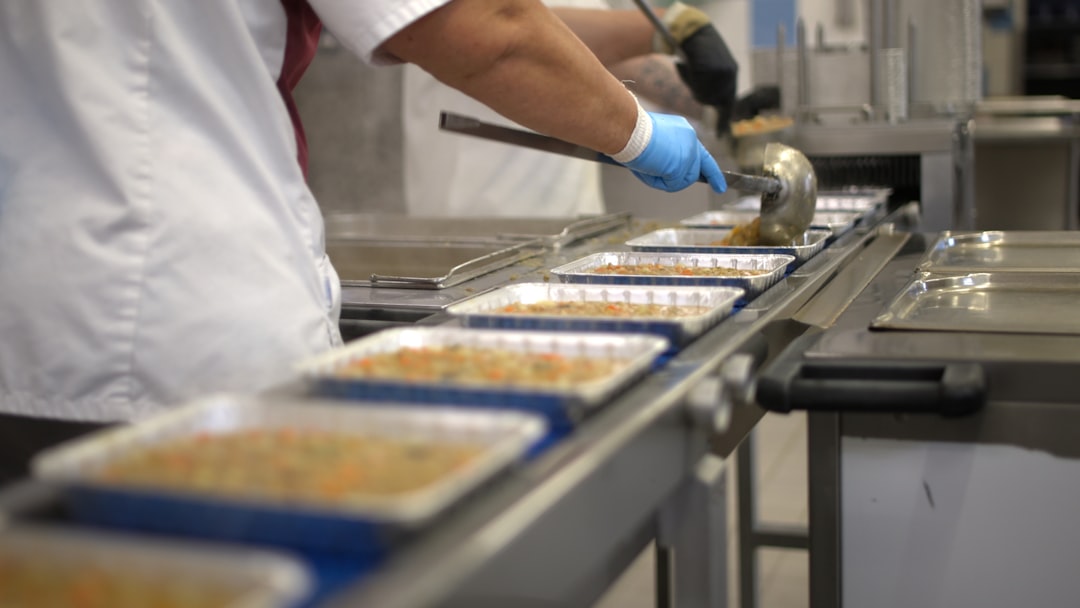
Shared kitchen space solves this. Shared kitchens are commercial food preparation facilities where new food retailers can use kitchen space and equipment to grow their businesses, which helps them develop their products without the high cost of operating their own facility. The model is essentially an operating lease on a fraction of the asset, exactly the kind of capital-light structure that investors reward in early-stage companies.
The New York food service market stands at $8.9 billion and continues expanding at 15% annually, driven by population growth and changing consumer preferences. Founders who enter this market with low fixed costs gain a structural advantage over competitors locked into long leases.
What kitchen space actually costs in NYC
The numbers vary sharply depending on location, model, and commitment length. In major cities like New York, hourly rates for commercial kitchen space typically range from $40 to $75 due to high demand and prime locations. Some operators go higher. Most commercial kitchens rent for $20 to $65 per hour, with rates varying based on location, kitchen size, and included equipment, and in New York or San Francisco prices can exceed $100 per hour.

Commissary kitchens in outer boroughs offer better entry points. Ben Shared Commissary Kitchen in Ozone Park, Queens lists hourly prices from $28 to $48, with a minimum of 20 hours per month. Nimbus, which operates across Manhattan and Brooklyn, lists prep kitchens at $25.50 per hour, standard kitchens at $33.50 per hour, and deluxe kitchens at $38.50 per hour.
Monthly plans create more predictable costs. Monthly plans typically range from $1,000 to $4,000 per month and include access to shared facilities, storage, and basic cooking equipment. Some kitchens offer short-term agreements for seasonal projects or startups testing their business model, while long-term leases often carry discounts and more stable pricing.
Nonprofit incubators: the lowest-cost kitchen space option
Not every founder needs a for-profit shared kitchen. NYC has a strong network of nonprofit incubators that subsidize access directly.
Hot Bread Kitchen’s Start Program provides eligible businesses with a subsidized licensed commercial kitchen space where entrepreneurs can produce their food product, and participants also have access to tools and resources to test their business model. The program is highly competitive, but the cost structure is difficult to beat anywhere else in the city.
Bronx CookSpace is an incubator kitchen that offers affordable shared kitchen space for rent and personalized consulting services for small food businesses, with help available on licensing, insurance, product development, and marketing. The 4,000 square foot facility, located in the South Bronx near public transportation and major highways, includes semi-private cooking spaces, professional cooking equipment, and dry and cold storage.
Entrepreneur Space in Queens runs a 6,000 square foot commercial kitchen for food businesses, divided into 4 separate kitchen bays, which allows 4 different manufacturers to produce simultaneously during each shift. These facilities combine low rental rates with business support that a standard commercial sublease never provides.
Expert perspective on kitchen space economics
The financial logic of shared commercial kitchen space for an early food startup is straightforward: you are buying optionality. A founder who rents 20 hours per month at $35 per hour spends roughly $700 in variable costs. That same founder on a private lease spends $2,500 or more before they turn on a single burner. The difference is not just cash. It is the ability to pivot your product, your packaging, and your channel strategy without being locked into a space that no longer fits your business. Shared kitchens in New York have also evolved well beyond simple cooking rooms. They now offer storage, logistics support, event programming, and community networks that reduce the cost of finding early customers. The smart founder treats kitchen space as a platform, not just a production facility.
Industry perspective, food business finance and operations professionals in New York City
Licensing and compliance: what you must get right
Affordable kitchen space means nothing if your product cannot legally leave the building. NYC has a dual-track licensing system, and knowing which path applies to your business is essential.






Businesses that sell direct to consumers for immediate consumption fall under the NYC Department of Health, while businesses whose greater portion of revenue comes from wholesale, internet-based, or shipped products fall under the NYS Department of Agriculture and Markets. All food businesses must also register with the FDA after licensing.
The NYC Department of Health and Mental Hygiene mandates that at least 1 person onsite at a food establishment be certified as a Food Protection Manager, and food establishments must have that certified manager present during all production hours. Most shared kitchens walk you through these requirements as part of onboarding, but you carry the responsibility. The NYC Department of Small Business Services (SBS) offers free commercial lease assistance and free plan examinations, with experienced client managers available to help you navigate the process.
Conclusion: find the right kitchen space before you scale
Commercial kitchen space rental costs in New York remain competitive compared to other major metropolitan areas, which allows entrepreneurs to test concepts with manageable overhead. The founders who use this advantage well pick shared or incubator kitchen space early, keep fixed costs low, and redirect capital toward product development and sales. Every dollar not spent on a private lease is a dollar available for growth. Start with shared kitchen space, prove your unit economics, and lease your own facility only when the revenue justifies it. That is the disciplined approach, and in this city, discipline is the competitive advantage that actually compounds.

Discover more about kitchen space
- NYC Business: Shared Kitchens Resource Guide
- Shared Kitchen Locator: Commercial Kitchens for Rent in New York
- The Food Corridor: Top Shared Kitchens for Rent in NYC
[End of deliverables]