
Apartment composting in New York City is quietly becoming one of the most beautiful acts of urban citizenship, a small ritual that connects the chaos of city life to something slow, deliberate, and deeply good.
Why this matters right now in New York City
Starting October 2024, curbside composting became mandatory for condominiums, cooperatives, and multifamily rental buildings in New York City. This is not a suggestion. Enforcement began in April 2025, and in just one week the city issued nearly 2,000 fines for non-compliance. Residents must participate by placing compostables in the correct bins.

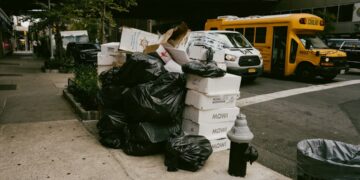
Organic waste, including food scraps, yard waste, and other compostable materials, makes up about 36 percent of the city’s residential waste stream. That number carries real weight. This material is sent to a landfill where it slowly decays and becomes a major contributor to methane gas production. When composted, food scraps and other organic waste become a useful product that adds nutrients and improves soil quality for street trees and gardens.
Since enforcement began in April 2025, the city has collected an average of about 5 million pounds of compostable materials per week. New Yorkers are moving. The question is how to do it well inside a small apartment.
The best apartment composting methods for small spaces
The 3 methods that work best in a city kitchen are a countertop bin, a bokashi system, and a worm bin. Each one fits a different lifestyle, budget, and tolerance for hands-on involvement.

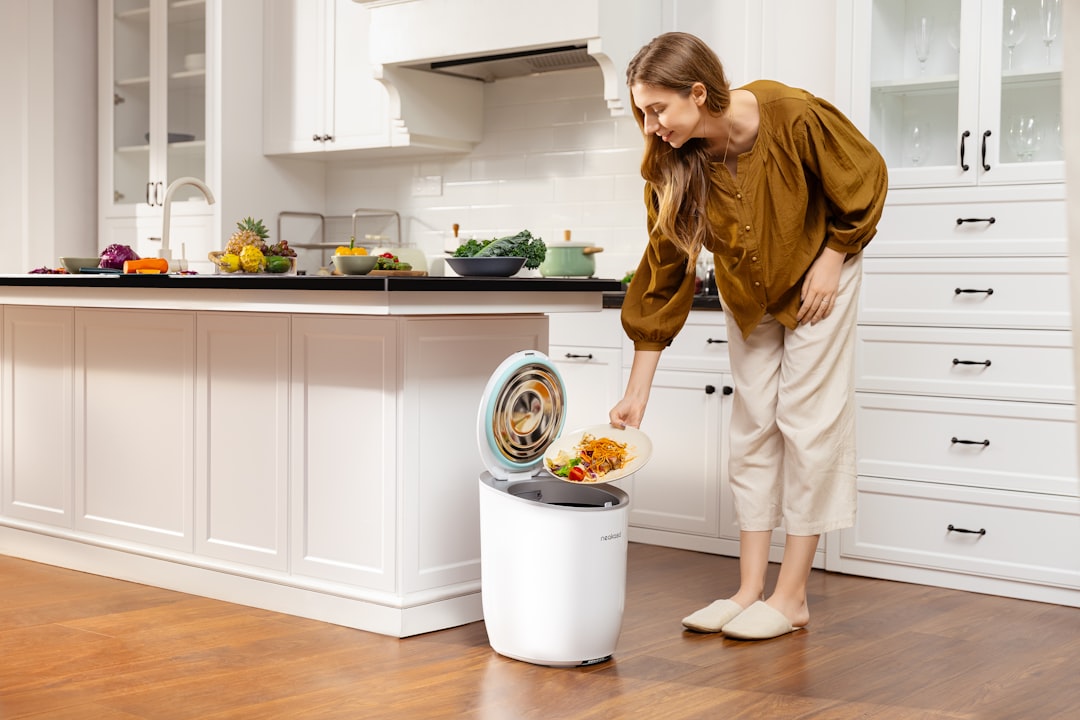
The key to keeping a countertop bin odour-free is balance: alternating wet scraps with dry materials such as shredded cardboard, brown paper, and dry leaves keeps the mix from turning slimy and odorous. A charcoal filter lid handles the rest, trapping what little odour does build up before it reaches the rest of your kitchen.
Bokashi composting is ideal for apartments because it uses beneficial microbes to ferment food waste in a sealed bucket, preventing unpleasant odours. You layer scraps with a grain-based inoculant, seal the lid, and leave it alone. This method is odour-free and works well in small spaces, producing a liquid fertilizer and compost that can be buried in soil or taken to a community drop-off.
How to keep apartment composting completely odour-free
Odour is the reason most people hesitate. The good news is that smell is almost always preventable. A smell-free compost system comes down to proper moisture, airflow, and ingredient balance: odours only occur when compost goes anaerobic or becomes too wet.
Always cover new additions with a layer of browns such as shredded newspaper or cardboard, and consider freezing food scraps before adding them to your bin to kill any eggs. Empty your bin every 2 to 4 days to prevent odours and excess moisture. This routine takes under 2 minutes.
When maintained properly, a worm bin is odour-free and produces nutrient-rich compost and liquid fertilizer. Vermicomposting bins are enclosed and do not produce odours or attract pests when maintained correctly. For the freezer method, simply collect scraps in a sealed bag in the freezer and deposit them in your building’s curbside bin on collection day. No smell, no drama, no effort.
Expert perspective on apartment composting
The most common mistake urban residents make is assuming that composting is inherently messy or unpleasant. It is not. When you understand the biology, you see that odour is a symptom of imbalance, not an inevitable outcome. In a properly managed system, the smell is earthy at most, and often absent entirely. For city apartment dwellers, the bokashi method and the freezer collection approach are the most practical because they require no ongoing management of moisture or airflow. The sealed environment handles everything. Once residents realise how little space and effort is actually required, the hesitation disappears almost immediately. Apartment composting then becomes less of a chore and more of a quiet daily discipline.
Industry perspective, urban sustainability and waste diversion professionals in New York City
What your building must provide for you
You do not need to figure this out alone. Owners of buildings with at least 4 apartments must offer residents a storage area with labeled bins for composting. If your building does not comply, you can call 311 to report it.






Your building can have a bin where you leave your compost. Once a week, on the same day as recycling day, the Department of Sanitation will collect it. Fruits, vegetables, dairy products, meats, bones, and shellfish can go in a compost bin for collection. Soiled paper products such as dirty napkins, coffee filters, and greasy pizza boxes can also go in the compost bin.
Beyond your building, you can drop off most food scraps including fruits and vegetables, eggshells, coffee grounds and tea bags, bread, rice, and pasta, at a food scrap drop-off site near you. Alternative drop-off is available at many community compost organizations including Big Reuse, the Lower East Side Ecology Center, BK Rot, and Compost Power.

Conclusion: apartment composting is an act worth doing
Apartment composting in New York City is no longer a niche habit for the especially dedicated. It is a city requirement, a community act, and, if you choose the right method, a genuinely effortless addition to daily life. Start with a sealed countertop bin or a freezer bag. Learn your building’s collection day. Notice how little space it takes. Apartment composting can become, like a well-chosen object in a small home, something that earns its place completely. The city is building something meaningful here, and you are part of it.
Discover more about apartment composting
- NYC Department of Sanitation: Food Scrap Drop-Off Locations
- NYC IBO Curbside Composting Program Analysis, Waste Today Magazine
- Is New York City Getting Its Composting Program Right? Floodlight News