
New York City’s July heat is a test of beauty and endurance, and knowing how to stay cool makes the difference between thriving and simply surviving the season.
Why heat affects the mind, not just the body
Most people expect heat to feel uncomfortable. Fewer people expect it to make them slower, less precise, and more irritable. Research confirms this effect. Studies show that exposure to high temperatures leads to decreased cognitive performance, with documented impairments in memory, attention, and executive function under heat stress conditions. Performance on tasks that require sustained attention, working memory, and complex decision-making is particularly affected.

This matters in a city where people work intensely, commute in crowded spaces, and make dozens of decisions each day. Research shows that exposure to high environmental temperatures affects task performance, and heat acts as a source of stress that competes for limited-capacity mental resources. So when July temperatures climb, your wellness plan needs to protect your mind as much as your skin.
Extreme temperatures cause a range of heat-related illnesses. Heat stroke occurs when body temperature rises rapidly and can include symptoms such as nausea, confusion, and loss of consciousness. Less extreme conditions like heat exhaustion can produce heavy sweating, headaches, fatigue, and lightheadedness. Recognizing these signs early keeps a bad afternoon from becoming a serious emergency.
Stay cool with smart use of the city’s resources
According to the city health department, air conditioning is the most effective way to protect against heat-related illness when temperatures rise. If your apartment does not have reliable air conditioning, the city has clear solutions. New York opens hundreds of cooling centers during a heat emergency, in libraries, senior centers, community centers, and Neighborhood Health Action Centers across all 5 boroughs. Entry is free and you do not need to register.

Finding a cooling center is easier than ever thanks to the city’s Cool Options Map, which allows New Yorkers to quickly locate the nearest cooling centers and includes additional indoor spots like libraries, museums, and shopping malls. You can also call 311 at any time to ask about open locations near your address.
Limit strenuous outdoor activity during peak heat hours, typically 11 a.m. to 4 p.m. Plan your movement around the city the way a Roman plans around the afternoon sun: early morning or after 5 p.m. is ideal. This one adjustment protects both your body and your focus for the rest of the day.
Hydration and food as tools for focus
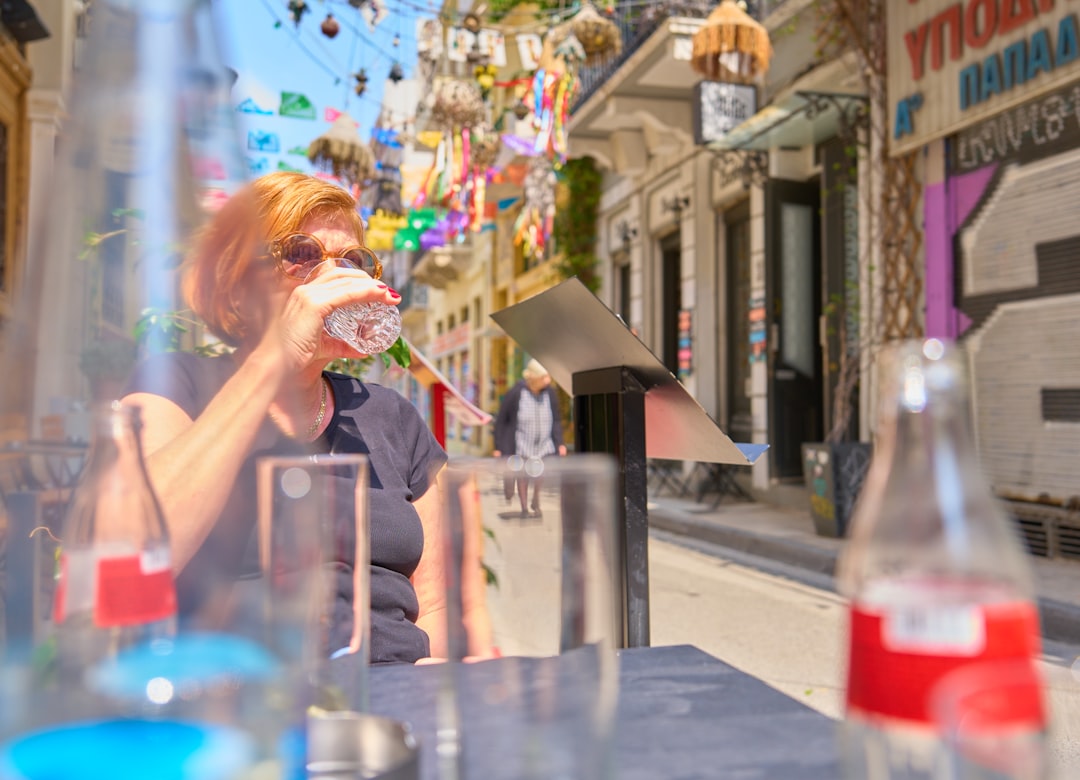
Drink plenty of water, even if you are not thirsty. Avoid drinks with alcohol, caffeine, or lots of sugar. These drinks speed up dehydration and reduce your ability to concentrate. Water is always the better choice during a heat event.
Drink water every 15 to 20 minutes, take frequent breaks in the shade, and keep an eye on companions when outdoors. This rhythm is easy to build into any outdoor plan, whether you are walking between neighborhoods, working in a park, or exploring a new part of the city. Eat small, frequent meals to help your body regulate heat more effectively. Heavy meals increase internal body temperature, so lighter foods protect both digestion and mental clarity.
Dress in lightweight, light-colored clothing. Use sunscreen with SPF 15 or higher. These 2 choices are small, but they reduce the body’s thermal load and free more energy for thought and movement.

Expert perspective on heat and wellness in New York City
New York’s July heat is genuinely dangerous, and the people most at risk are often those without reliable air conditioning at home. The evidence is clear: heat impairs cognitive performance, slows reaction time, and increases errors, especially in complex tasks. The key message for any New Yorker is to treat cooling as a priority, not a comfort. Hydration matters every hour, not only when thirst appears. Using public cooling centers, libraries, and pools is not a last resort; it is smart, proactive wellness. Buildings in dense urban environments trap heat overnight, which means fatigue and cognitive impairment can accumulate across several days. A person who manages their environment well, stays hydrated, and rests in cool spaces consistently will perform better mentally and feel better physically than one who simply endures the heat.
Industry perspective, wellness and public health professionals in New York City
Stay cool at home without straining the grid
Managing your home environment well is a form of self-care. Officials recommend setting air conditioners to 78 degrees Fahrenheit and avoiding large appliances during peak hours. Keep blinds, curtains, and shades closed during the hottest parts of the day to block heat. These 2 habits reduce indoor temperature significantly without high energy cost.


If you want to cool your home before you return, set a timer that turns on no earlier than 30 minutes before you arrive. This approach saves energy and keeps your living space ready to support recovery after time outside. Extremely hot days, when millions of air conditioners run across the city at once, strain the electric grid and can cause brownouts and blackouts. Coordinated, moderate use protects everyone.
Close doors to keep cool air in and hot air out while the air conditioner runs. A cool, quiet room is not a luxury in July. It is the condition your brain needs to rest, reset, and perform well the next day.

Protect your neighbors, protect your community
Heat wellness in New York City is not only personal. Residents should check on vulnerable neighbors, especially older adults, people with disabilities, and people with chronic health conditions, and learn to recognize the warning signs of heat illness.
In New York City, most heat-related deaths occur indoors, in apartments without air conditioning, often among older adults living alone. A phone call or a knock on a neighbor’s door costs nothing and can protect a life. The city’s COOL vans provide wellness checks, medical care, electrolytes, sunscreen, meals, and transportation to cooling centers or health facilities. These resources exist for anyone who needs them. Sharing this information with your community is part of good urban wellness.

Stay cool this July and every day after
Climate change is making extreme heat more frequent in New York City’s 5 boroughs, and the consequences are serious. Understanding how to stay cool is no longer a seasonal tip. It is a skill for city living. Use the city’s cooling centers, protect your hydration, manage your schedule around peak heat hours, and rest in cool spaces so your mind can stay sharp. Staying cool takes small, consistent choices, and each one adds up. Make your heat plan now, share it with people around you, and let July be a month of energy and clarity, not exhaustion.
Discover more about stay cool
- NYC Emergency Management: Extreme Heat Safety Guide
- ScienceDirect: Effect of extreme high temperature on cognitive function
- Gothamist: How to stay cool and safe during the NYC heat wave
[Fine dei deliverable]