

Why Do Flex Offices Dominate New York Executive Preferences?
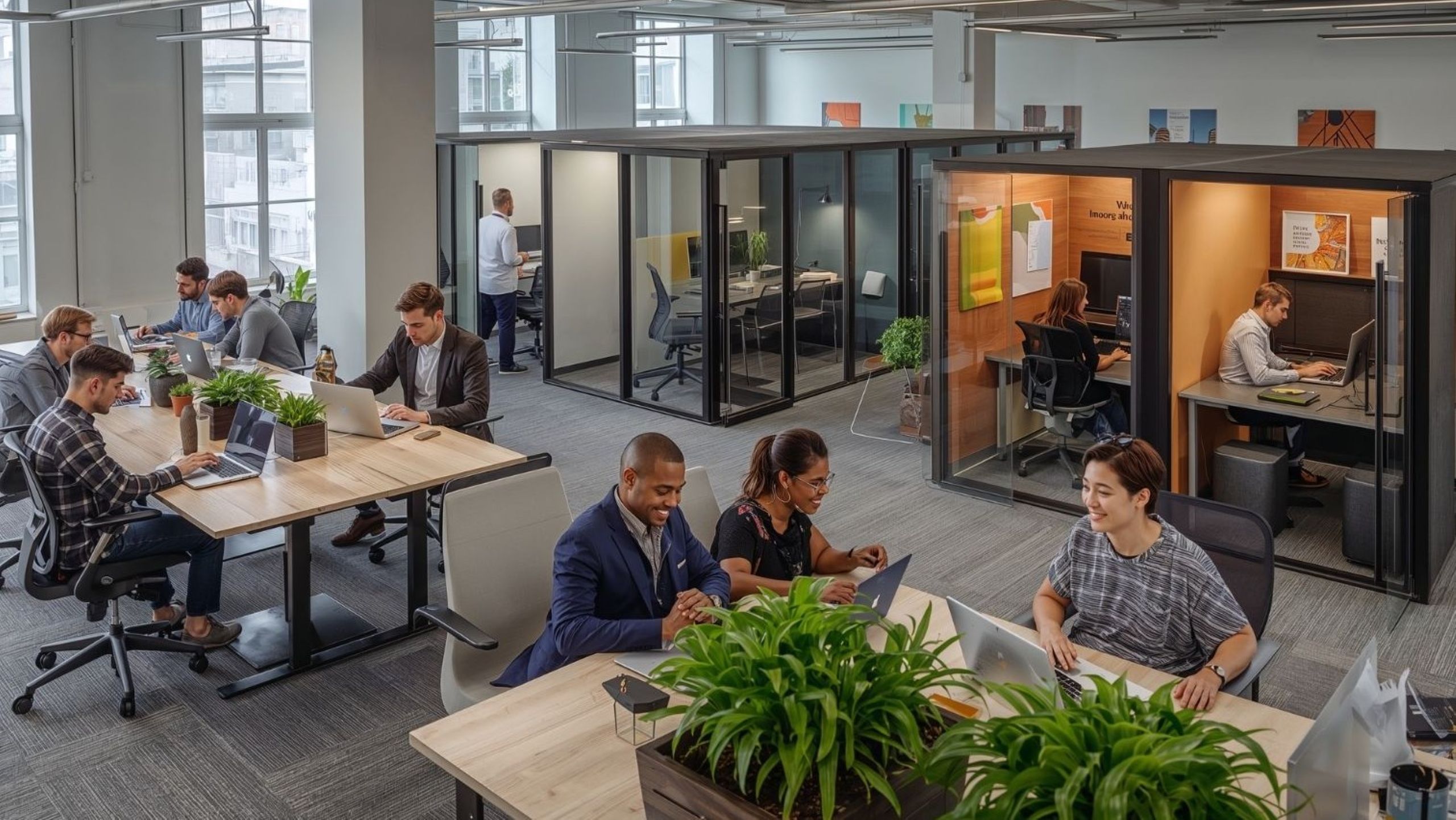
New York flex offices eliminate long-term lease commitments offering month-to-month flexibility for businesses. Furthermore, traditional office leases require 5-10 year terms with significant capital expenditures upfront. This flexibility allows executives scaling teams up or down without financial penalties.

Additionally, flex offices provide fully furnished, technology-enabled workspaces ready for immediate occupancy. For instance, move-in times reduce from 6-9 months to 1-2 weeks dramatically. This speed-to-market advantage proves critical for startups, project teams, and expanding companies.
Meanwhile, flex offices in New York offer premium locations previously inaccessible for smaller companies. Specifically, spaces in Midtown Manhattan, Hudson Yards, and Financial District become affordable through shared models. This prestigious addressing enhances company branding and client perception significantly.
What Types of Flex Offices Suit New York Executives?
Coworking spaces provide flex offices with open desks and community atmospheres for individuals and small teams. Moreover, providers like WeWork, Industrious, and The Assemblage offer extensive NYC networks. Monthly costs range $400-$800 per desk including amenities like coffee, printing, and events.

Additionally, private office suites within flex offices accommodate teams requiring confidentiality and collaboration space. For example, enclosed offices for 2-20 people cost $1,200-$4,000 per person monthly. These spaces combine privacy with access to shared conference rooms and kitchen facilities.
Enterprise flex offices cater to corporations needing customized 50+ person spaces with dedicated branding. Furthermore, providers like IWG and Knotel design bespoke layouts matching company culture and workflows. These solutions cost $800-$1,500 per desk monthly with 12-36 month commitments typically.
How Do Flex Offices Compare Across New York Neighborhoods?
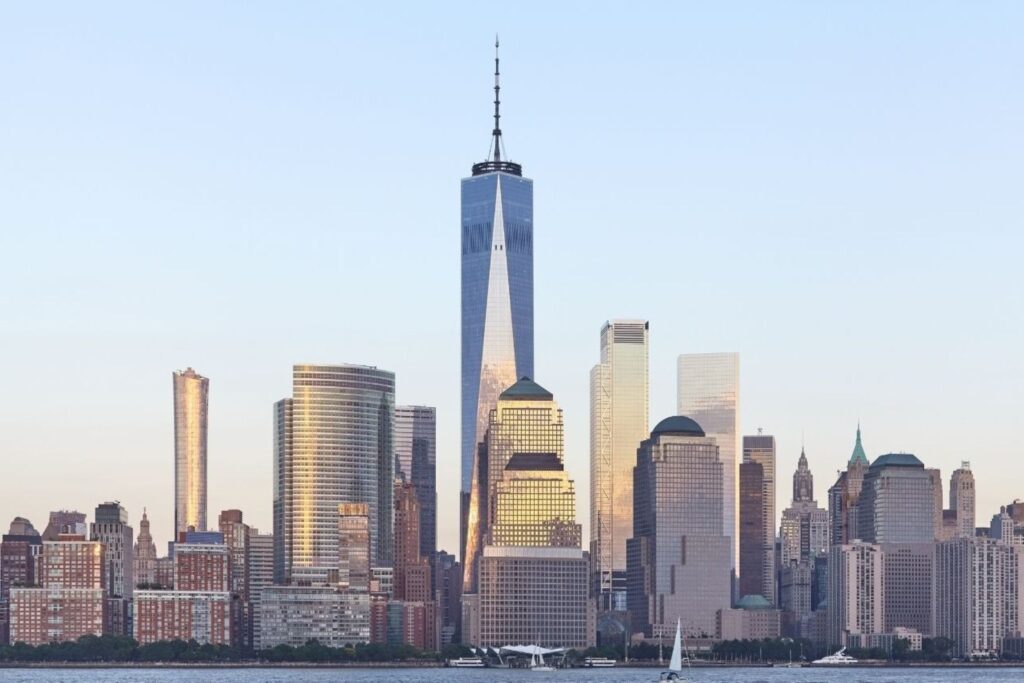
Midtown Manhattan flex offices command premium pricing averaging $1,000-$1,400 per desk monthly centrally. Moreover, proximity to Grand Central, Penn Station, and Rockefeller Center justifies costs. This location suits client-facing businesses requiring easy access and impressive addresses.
Additionally, Financial District flex offices attract fintech and professional services firms seeking lower costs. For instance, spaces south of Chambers Street average $700-$1,000 per desk monthly. Post-pandemic availability increased creating favorable negotiating conditions for tenants currently.






Brooklyn flex offices in DUMBO and Williamsburg offer creative atmospheres at $600-$900 per desk. Furthermore, tech startups and media companies prefer these neighborhoods’ cultural vibes and talent pools. Cross-river commutes from Manhattan take 15-25 minutes via subway connections.


Conclusion: Flex Offices Define New York Workspace Future
In 2026, flex offices will transform the way New York executives approach real estate strategy. Moreover, the combination of flexibility, amenities and cost predictability meets the needs of modern businesses. Selecting the right provider and choosing the right location optimises employee satisfaction and financial performance.
Therefore, executives should consider flex offices as a primary workspace solution rather than a temporary arrangement. Tour multiple providers, negotiate favourable terms and plan for hybrid work models systematically. Indeed, flex offices represent a permanent evolution in workspaces rather than simply being a solution for the pandemic era.
Ready to explore flexible workspaces? Arrange a tour of the best New York flex offices today.









El modelo de oficinas flexibles en Nueva York demuestra cómo el mundo empresarial se adapta a la agilidad que exige este 2026. En el comercio electrónico y los negocios independientes, esta flexibilidad es exactamente lo que permite escalar proyectos sin los altos costos de una oficina tradicional. ¡Una guía ejecutiva muy acertada y con mucha visión!
This is a highly informative guide for executives looking into flexible office spaces in NYC. The trends and insights for 2026 are clearly laid out and very practical for modern businesses. Thank you for sharing such a valuable resource!
A brilliant read on the future of workspaces in NYC! The shift towards flexible offices is so relevant for businesses today. Thanks for this excellent and timely executive guide.
This executive guide is a must-read for anyone looking to optimize their office strategy in NYC for 2026. The focus on flexible workspaces truly reflects the current hybrid work trends we are seeing. It’s great to see such a practical breakdown of options for modern businesses. Thanks for sharing these insights
I clicked on this out of curiosity, but man, that executive corporate life in NYC sounds exhausting. I prefer keeping things simple and totally away from all that business stuff. Give me a quiet weekend trip to a local river over a fancy office any day. Good quick read, though.
The point about Brooklyn pricing correcting after spiking in Q3 is exactly what I’ve been watching. We relocated our small team to a flex space in Williamsburg last autumn and the rates felt completely disconnected from reality at the time. Things seem to be normalising now, and honestly the outer borough options are still so much more interesting than another anonymous Midtown floor. The creative energy just hits different when you’re not surrounded by finance bros in identical WeWork pods.
Paying 7200 dollars a year for a desk used twice a week is the kind of waste finance teams should have killed in 2022. Glad someone is saying it plainly.