

Botanical gardens in New York City do something the rest of this loud, concrete place almost never does: they make you stop.

Why NYC’s green spaces matter more than you think
This city moves fast. Most people walk past its quieter places without a second look. But the botanical gardens across the 5 boroughs hold real depth. They hold history, science, community, and genuine calm. Every season changes what you find. That variety is exactly why these spaces deserve more than a single spring visit.
New York’s parks, gardens, waterfront paths, and hidden courtyards offer real opportunities to slow down and reset, whether that means running along tree-lined trails or sitting beneath cherry blossoms. The botanical gardens take that further. They are living museums. They change weekly, not just by season.
Spring brings bright flowers, summer has long sunny days, fall shows colorful leaves, and winter is peaceful with evergreen trees. No single visit covers everything. That is the point. You keep coming back.

The New York Botanical Garden in the Bronx
The Bronx is home to the city’s largest green institution. The New York Botanical Garden, which first opened in 1891, is one of the largest botanical gardens in the US. It covers 250 acres of natural beauty, with over 1 million living plants across indoor and outdoor spaces, including a temperate glasshouse, scenic pathways, meadows, and promenades.
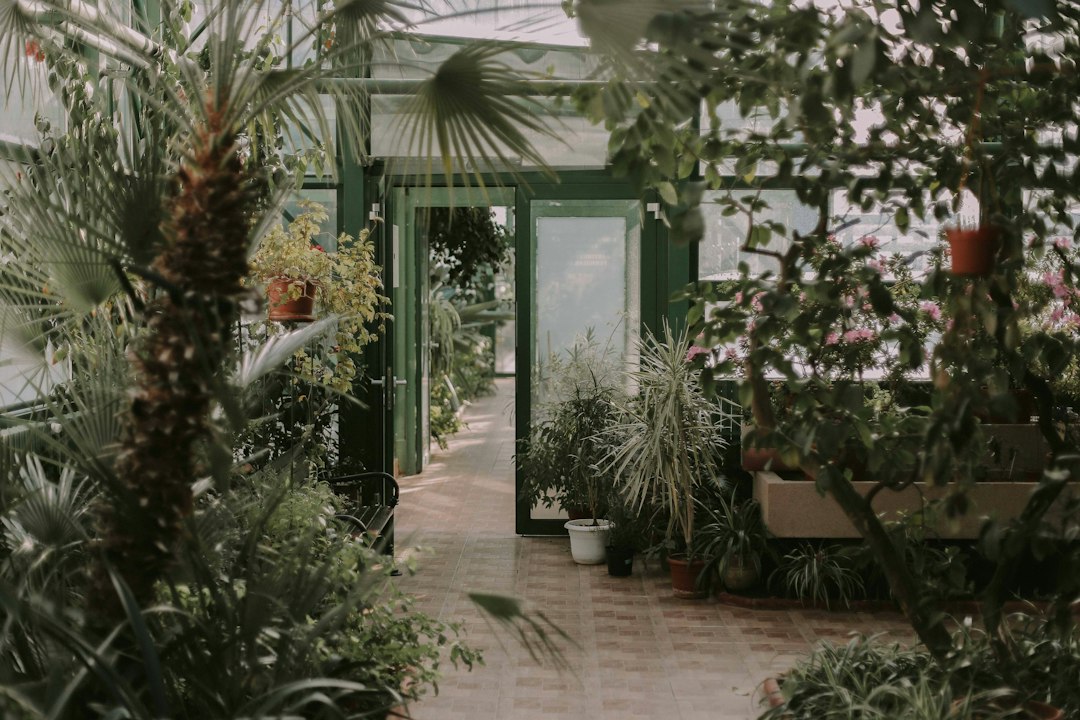
The garden is perhaps best known for its prized jewel, the Enid A. Haupt Conservatory, which is the nation’s largest Victorian-style glasshouse. This greenhouse is made up of 11 interconnecting glass pavilions housing rare and near-extinct species. In winter, that conservatory becomes one of the best places in the city to find warmth and color at the same time.
The Azalea Garden features 3,000 azaleas and rhododendrons from around the world, planted beneath ancient native oaks, tulip trees, and sweetgums. The Thain Family Forest is the largest remaining tract of old-growth forest that once covered most of New York City. That fact alone should stop you in your tracks.
Admission varies by day. On Wednesdays, grounds admission is free to NYC residents all day and to all other visitors between 10 and 11 a.m. Metro-North Railroad provides easy access to the Botanical Garden station, approximately 20 minutes from Grand Central Terminal.
-






Brooklyn Botanic Garden: small, perfect, and always busy
Brooklyn’s botanical garden is smaller, but it earns its reputation. Originally planned to be a part of Prospect Park, the Brooklyn Botanic Garden was instead built on a former ash dump, with the site designated in 1897 and the garden opening in 1911.
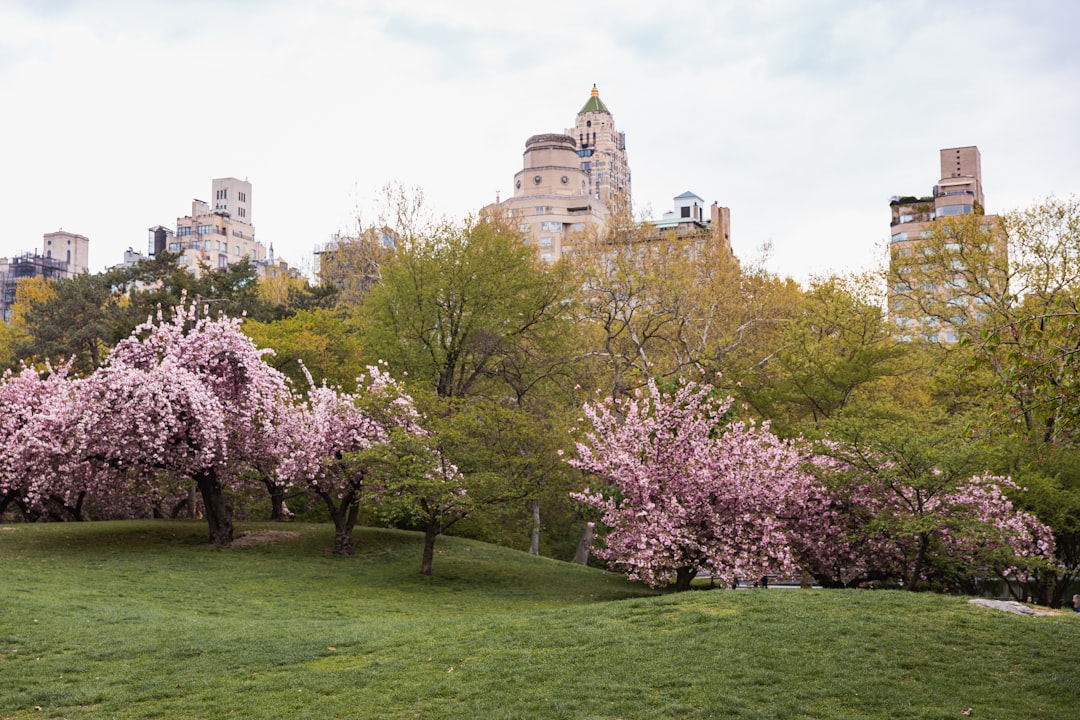
The BBG is perhaps most famous for its cherry trees, over 200 in total, the oldest of which date back to 1921. The Cherry Esplanade features 76 of them aligned in 2 rows along a lawn. Spring here is genuinely spectacular. Arrive early on weekends. The crowds are real.
Roses, water-lilies, and meadow flowers are among the many beautiful blooms to see during summer. Wonderful autumn color starts to appear in October throughout the garden. There is no bad season here. Some are just louder than others.
Expert perspective on botanical gardens and urban nature
New York’s botanical gardens are not decorative spaces. They are functioning scientific institutions. The plants you walk past represent decades of collection, research, and conservation work. When a New Yorker visits, they are connecting with the same living material that scientists study to understand climate resilience and biodiversity loss. The seasonal programming is designed specifically to bring people back across the year, because one visit only shows you one narrow window of what a garden holds. The conservatory model matters especially in winter. It keeps the public connected to green, growing life during the months when the rest of the city feels most sealed off from nature. That connection has measurable effects on wellbeing, and institutions across the five boroughs work hard to make these spaces accessible to every income level and every neighborhood.
Industry perspective, botanical garden and urban green space professionals in New York City
Wave Hill and Snug Harbor: the less-visited gems
Beyond Brooklyn and the Bronx, 2 other destinations reward the visitor who looks further. Wave Hill is a famous public garden in the northwest Bronx along the Hudson River, with flower gardens, an alpine house, greenhouses, and a cultural center. Wave Hill is a public garden and cultural center with views of the Hudson River, offering a more cultivated, artistic experience.
Spring and summer are the best times to visit Wave Hill, when you find the greatest abundance of colors and blooms, particularly around the pergola and in the seasonal beds of tulips and flowering annuals. The views across the river to the Palisades are free year-round.
On Staten Island, Snug Harbor offers something completely different. History, nature, and the arts converge across 83 acres at Snug Harbor Cultural Center and Botanical Garden. Originally a 19th-century home for retired sailors, it has been transformed into an all-season destination with 28 historic buildings, 14 botanical gardens, wetlands, parkland, and a 2-acre urban farm. Today, visitors can enjoy the White Garden, Rose Garden, and Healing Garden. The Staten Island Ferry gets you there at no cost.

Queens Botanical Garden: free, local, and underrated
Queens holds a botanical garden that most Manhattanites have never visited. The Queens Botanical Garden grew out of the 1939 World’s Fair held in Flushing Meadows-Corona Park, as a 5-acre exhibit. The garden remained there until 1961, when it moved east of the park to make way for the 1964 World’s Fair.
Visitors walk down the Oak Allee and find the Circle Garden, the Cherry Circle, and a Fragrance Walk full of strong-smelling shrubs and perennials. Going further in, you reach the Rose Garden and the Bee Garden, which has pollinator-friendly plants and hives with Italian honeybees.
The Queens Botanical Garden is open year-round, Tuesday to Sunday. Admission is $6 for adults, $4 for seniors and students, and $2 for children ages 3 to 12. The garden is free to all visitors from December 16 through March. That winter free period makes it one of the most accessible green spaces in the city.
Plan your visit to botanical gardens in NYC
Botanical gardens across New York City give you more than flowers. They give you a reason to move through this city differently. Take the train to the Bronx, the ferry to Staten Island, or the subway to Brooklyn. What makes these places stand out is how they embrace seasonality. There are cherry blossoms in spring, lush greenery in summer, foliage in fall, and indoor exhibitions in winter, so they never feel static.
Start with 1 garden and go back in a different season. You will not find the same place twice. These botanical gardens are some of the most honest, most generous spaces this city offers. Use them. Tell someone else about them. That is how a city keeps its best places alive.
Discover more about botanical gardens
- NYC Botanical Gardens, NYC Parks Department
- Brooklyn Botanic Garden, Official Site
- MTA Away: Guide to New York City Botanical Gardens