


A lower-waste kitchen is one of the most elegant acts of intention you can bring into a New York City apartment, and as the new season arrives, there is no better moment to begin.
Start with what you already have
The first step in any lower-waste kitchen is not shopping. It is looking. Open every cabinet and drawer. Note duplicates, unused tools, and forgotten ingredients. Many New Yorkers discover they own 3 spatulas and no clear containers. This honest inventory prevents you from buying things you do not need.

Next, organize your refrigerator so older food sits at the front. Organizing your fridge so older items are used first reduces food spoilage. Clear, airtight containers extend freshness and minimize unnecessary waste. This single habit can reduce your food discard by a meaningful amount each week.
Finally, buy what you can actually use. Building a lower-waste kitchen begins not with gadgets, but with how you think about food. Most waste happens long before anything hits the trash. It starts at the store, when you buy more than you need. A short list made before each market visit is the most powerful tool in your kitchen.
Choose reusable storage with care
Storage is where beauty and sustainability meet most naturally. Replace single-use plastic bags and disposable wraps with materials that last. Reusable containers are a cornerstone of any lower-waste kitchen. They come in glass and stainless steel, providing safe and durable options for food storage. Glass containers are particularly popular due to their non-toxic nature and ability to withstand high temperatures.

Also consider beeswax wraps and silicone bags for smaller items. Swapping disposable plastics for glass jars, beeswax wraps, and silicone bags helps you store food more sustainably. These products look beautiful on an open shelf and signal a clear intention to anyone who visits your kitchen.
Buy dry goods in bulk when possible. Purchasing dry goods like beans, pasta, and grains in bulk, and storing them in reusable containers, reduces packaging waste significantly. Transfer everything into labeled glass jars. The visual clarity helps you use what you have before it expires.
Compose meals around seasonal ingredients
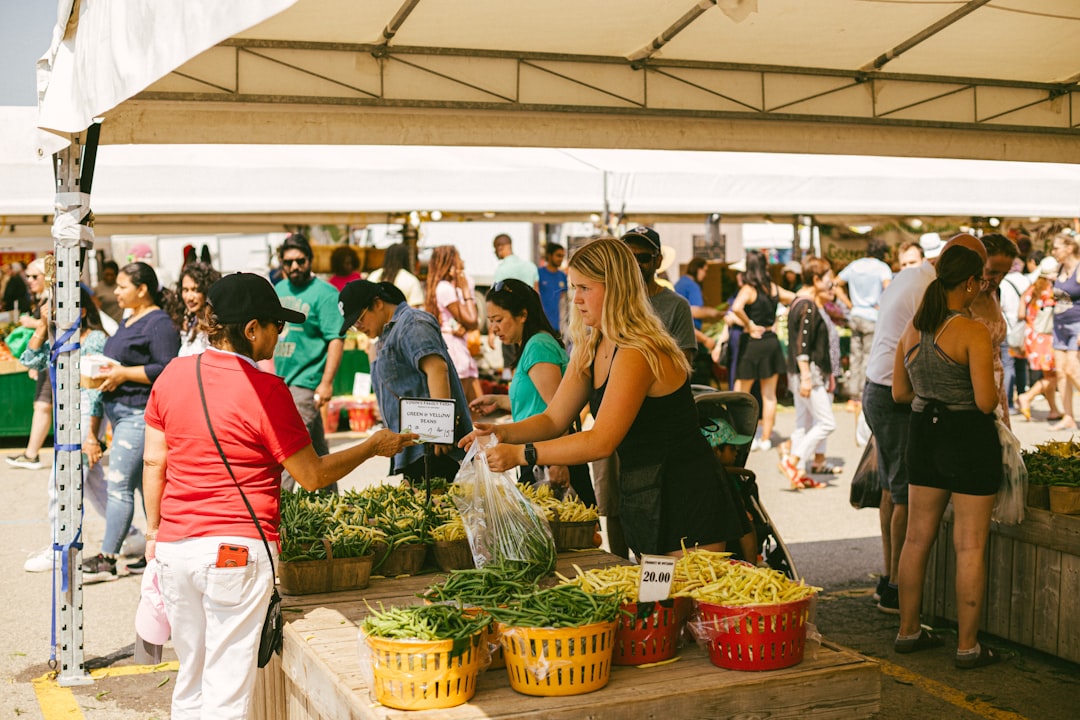
Seasonal cooking is the Italian instinct I bring to every article I write about food. It is also one of the most effective strategies in a lower-waste kitchen. Seasonal produce costs less, tastes better, and spoils less quickly because it has not traveled far. Shop at a local Greenmarket in Union Square or Brooklyn and let what is fresh guide your weekly menu.
Plan 4 or 5 meals each week before you shop. Zero-waste kitchens are within reach with simple habits: weekly meal planning avoids overbuying and spoilage. Build at least 1 “use everything” meal into each week, a soup, a frittata, or a grain bowl that absorbs whatever remains in the refrigerator.
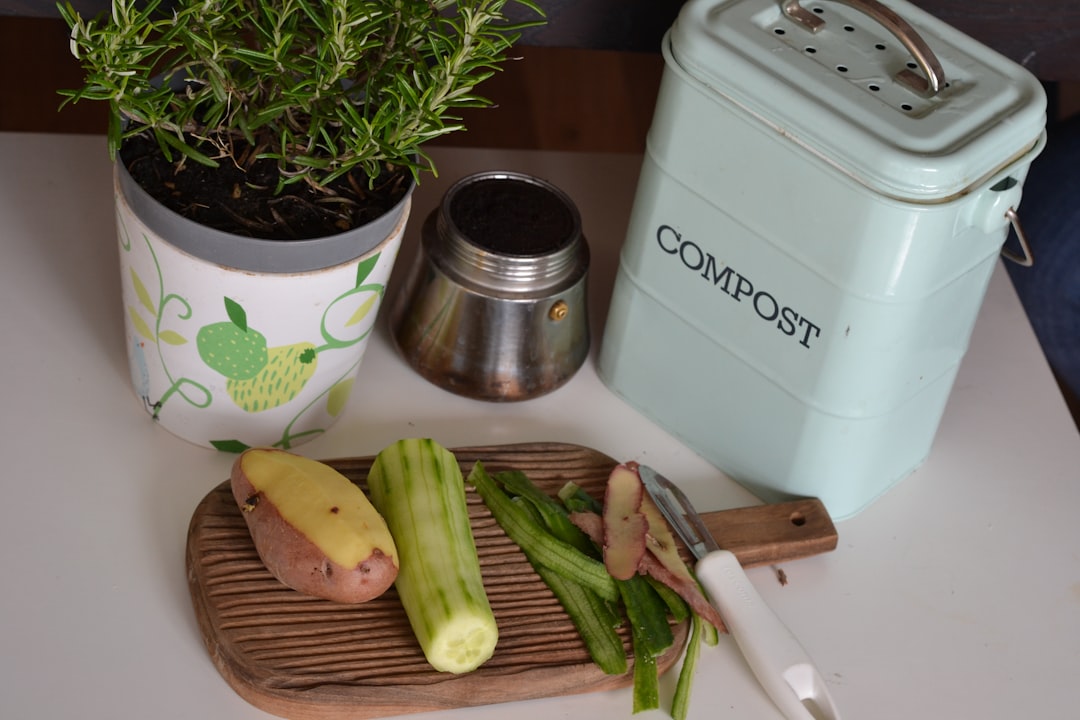
Think creatively about scraps. Peels and scraps can be added to meals, used as natural cleaners, or even incorporated into skincare. Carrot tops become pesto. Parmesan rinds enrich broths. This is the oldest form of sustainable cooking, and it is still the most elegant.
-






What composting experts say about food waste in New York City
New York City has built the largest mandatory curbside composting program in the United States, and it represents a genuine shift in how the city treats organic material. The science is clear: food that decomposes in a landfill releases methane, a greenhouse gas far more potent than carbon dioxide over a short time horizon. When we divert food scraps into composting, we reduce emissions and create something of value for soil and agriculture. The challenge now is not infrastructure. It is habit formation at the individual level, and that begins in the kitchen, at the moment a person decides what to do with a lemon peel or a handful of wilted herbs. Every household that separates its scraps consistently contributes to a measurable reduction in urban waste.
Perspectiva de la industria, profesionales de sostenibilidad y gestión de residuos en Nueva York
Use the city composting system
New York City now offers a composting program that every resident can access. Curbside composting service is now available to all NYC residents citywide, and compost is picked up every week on your recycling day. This is a significant civic resource, and it connects directly to your lower-waste kitchen habits.
All NYC residents are required to separate food scraps, food-soiled paper, or yard waste from trash. As of April 1, 2025, property owners may receive a fine if compostable material is not separated from trash. This is not a burden. It is a structure that makes the right habit the easy habit.
The city collects all food scraps, including meat, bones, shells, and dairy, as well as all leaf and yard waste. Keep a small countertop bin with a lid in your kitchen. The lid is important to keep smells contained and pests away. Empty it into the building bin or the brown DSNY bin on recycling day.
Bring intention to every corner
A lower-waste kitchen does not end with storage and composting. It extends to your tools, your cleaning products, and your shopping bags. Choose a few high-quality tools that will last for many years rather than many cheap ones that break quickly. A good cast iron pan, a sharp ceramic knife, and a set of wooden spoons can serve you for decades.
Switch from paper towels to cloth towels. Keep a small stack near the sink and wash them with your regular laundry. This is a change that costs almost nothing and eliminates a consistent source of kitchen waste. The same logic applies to cleaning: a bottle of white vinegar, some bicarbonate of soda, and a few drops of essential oil replace most commercial products.

Bring a reusable bag every time you leave the apartment. Bringing your own reusable bags and water bottles is one of the most direct ways to cut down on waste as an individual. It is also the simplest expression of the values you build into your kitchen each day.
A lower-waste kitchen is a daily practice
A lower-waste kitchen is not a destination. It is a direction, and every season offers a new chance to move further along that path. This autumn, choose 1 change each week: a new storage system, a composting habit, a meal plan. The most significant impact comes from small, consistent choices in everyday spaces like your kitchen. Over time, these choices become second nature.
Begin with what you have, cook what is seasonal, separate your scraps, and invest in tools that last. A lower-waste kitchen in a New York City apartment is not only possible. It is one of the most beautiful and purposeful spaces you can create. Start this season, and let the new rhythm carry you forward.
Discover more about lower-waste kitchen
- NYC Department of Sanitation: Curbside Composting for All Residents
- ReFED U.S. Food Waste Report 2025 via Washington State Department of Ecology
- Grist: New York City is making people compost, or pay up