

New York's seasonal slump starts the moment clocks fall back on November 1, cutting evening light by an hour overnight. Sunset drops below 5 p.m. within days, and by early December it falls before 4:30 p.m. This is not ordinary Monday tiredness. The sudden drop in daylight drives real fatigue and low mood for many residents, and more coffee will not fix it. A routine built around the daylight hours that remain, morning light, a midday break, and a managed evening, can carry you through to the solstice and beyond.
Why New York's seasonal slump starts so fast after November 1
This week, the sun rises over New York at 6:35 a.m. and sets at 4:43 p.m. That gap will not hold. Daylight saving time officially ended on Sunday, Nov. 1, when clocks fell back from 2 a.m. to 1 a.m., and on that Sunday New York City, Chicago, Denver, Los Angeles and Seattle all saw sunset before 5 p.m.
Sunset keeps slipping earlier. In New York, the earliest sunset of the year, 4:28 p.m., arrives around December 5. The December solstice in New York falls at 3:50 p.m. on Monday, December 21. On that date the sun rises near 7:16 a.m. and sets around 4:31 p.m., leaving the city about 10 hours and 17 minutes of daylight.
For anyone working a standard office schedule, that leaves a thin window to work with. A routine built around the hours of light that remain, rather than the clock on the wall, makes the season far easier to manage.
Get morning light before the commute
Morning light does real work on the body. The seasonal night–day cycle is reflected in the body's daily rhythm, which is maintained in part by the hormones serotonin and melatonin. Getting outside near sunrise helps reset that rhythm before a day of indoor light takes over.
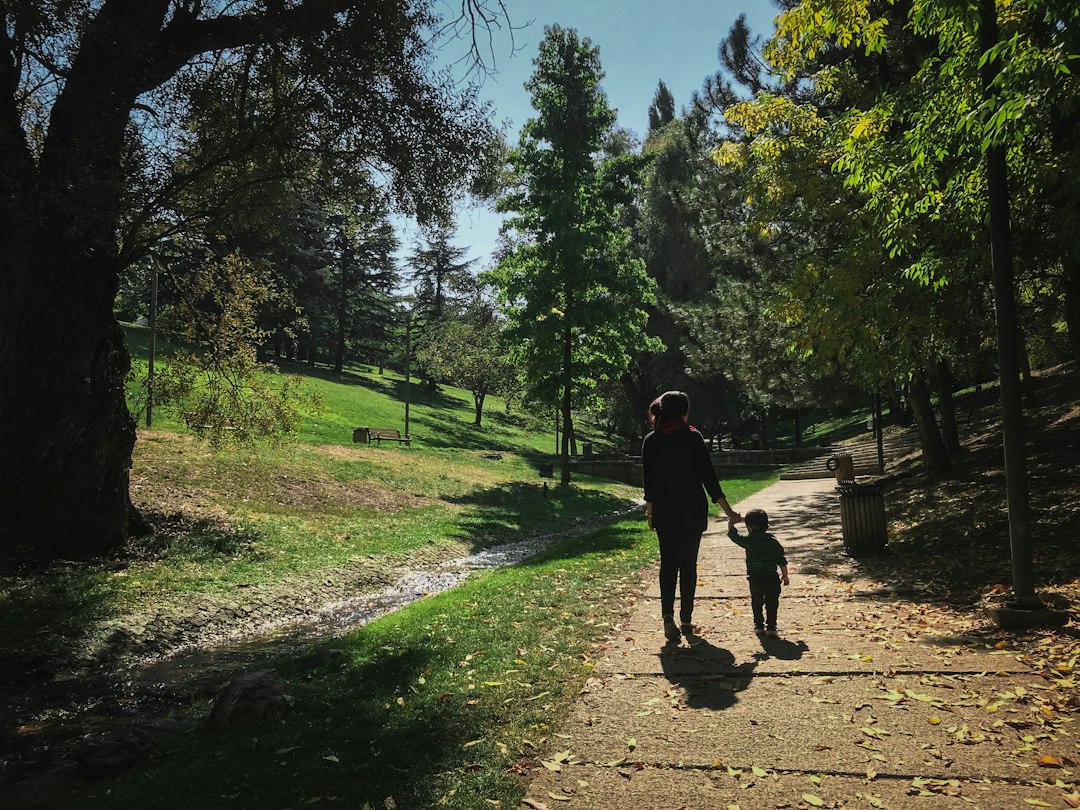
In practice, this means leaving a little earlier than the alarm demands. A loop near the Central Park reservoir, a stretch of the Brooklyn Bridge Park waterfront, or a walk along the East River Esplanade all work, since none require a car or a membership. Ten to fifteen minutes outside, even under cloud cover, delivers far more light than any lit office or kitchen.
Skip the sunglasses for those few minutes if you can. The goal is simple exposure, not a tan, and a cloudy New York morning still carries enough light to matter.
Build a midday light break into the workday
Once the morning window closes, the next best chance comes at lunch, while the sun is still well above the horizon. Waiting until 5 p.m. to step outside now means stepping into near-darkness, so the break has to move earlier in the day than habit suggests.
Bryant Park, Madison Square Park, the High Line, and the Hudson River Greenway all sit within walking distance of Midtown and Downtown offices, and each offers open sky rather than shadowed side streets. A fifteen-minute loop before 2 p.m. captures more usable daylight than the same walk taken after 4 p.m. in December.
If a solo lap around the block feels repetitive, browse the outdoor activities in New York directory for guided walks, outdoor fitness classes, and other options that keep you moving while the sun is still up.
Choose a light therapy lamp to ease the seasonal slump
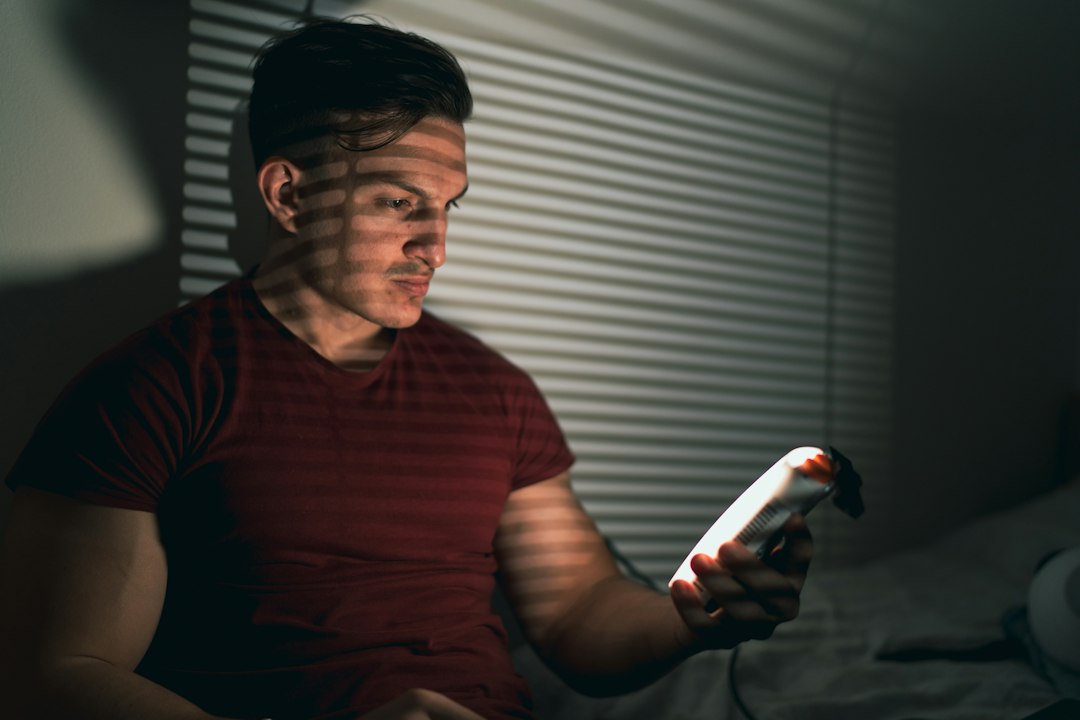
When outdoor time is not enough, especially before sunrise or after an early sunset, a light therapy box fills the gap. The recommended intensity of light for this kind of treatment is usually 10,000 lux. Most people who use these lamps use a 10,000 lux light box for about 30 to 45 minutes each morning.
Use it the way it is designed to work. Keep your eyes open, but do not look directly at the light. Light therapy signals to the brain that it is morning, so the box should only be used in the morning, never in the evening.
Shopping for one is straightforward. You can buy a light box without a prescription, but it's best to use it under the guidance of a health care provider and follow the manufacturer's guidelines. The box should provide 10,000 lux of light while emitting as little ultraviolet light as possible. Prices for 10,000 lux boxes commonly range from around $116 for a compact model up to $137 or more for a larger clinical-style unit, and most health insurance plans do not cover the cost.
One exception matters. Increasing exposure too fast or using the light box for too long each time may induce manic symptoms if you have bipolar disorder, so check with a doctor first if that applies to you.
Protect the evening instead of fighting it
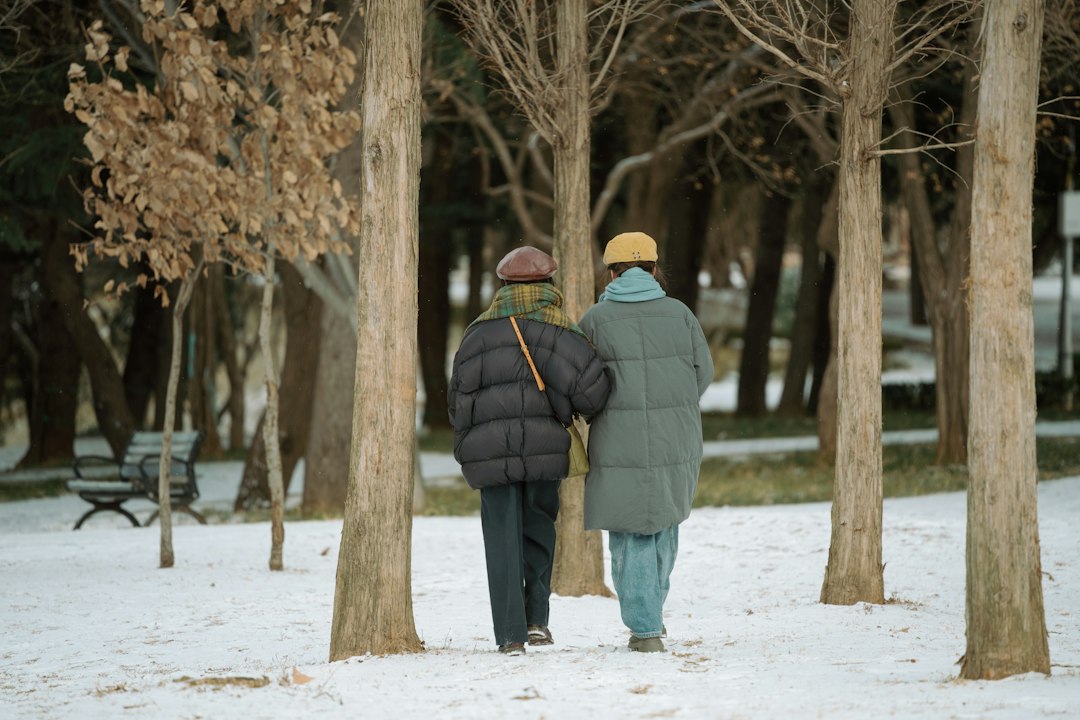
Once sunset lands before 4:30 p.m., the evening stretches long and dark, and fighting that with bright overhead lighting until bedtime rarely helps. Bryant Park's Winter Village, with its ice rink and string lights, turns the earliest sunset of the year into a reason to linger outside rather than heading straight home to a dark apartment.
At home, swap harsh overhead light for warmer lamps once the sun goes down, and dim phone and laptop screens an hour before bed. A dawn simulator, a time-controlled light that mimics sunrise, can also help reset the body's internal clock if mornings still feel impossibly dark.
Keep a consistent wake time, even on weekends. The body's clock depends on regular cues, and an erratic schedule undoes much of the benefit from a careful morning routine.
If you want to extend the evening outdoors rather than retreat indoors, the city's nightlife in New York still runs on its own schedule regardless of the sun, though that is a choice for later in the evening, not a substitute for morning light.
What to do first, and what can wait
Start this week with the free, immediate fixes. Lock in a consistent wake time, get outside within the first hour of daylight, and move the lunchtime walk earlier, since afternoon light now fades by mid-afternoon rather than early evening.
Let the bigger purchases wait a little. A light therapy lamp takes time to arrive and a week or two of steady use to show its effect, and days keep shortening until December 21 regardless. Order it now, but judge it in two weeks, not two days.
The season will not reverse itself before the solstice. A routine built around real daylight hours, rather than willpower, is what gets most New Yorkers through it.