

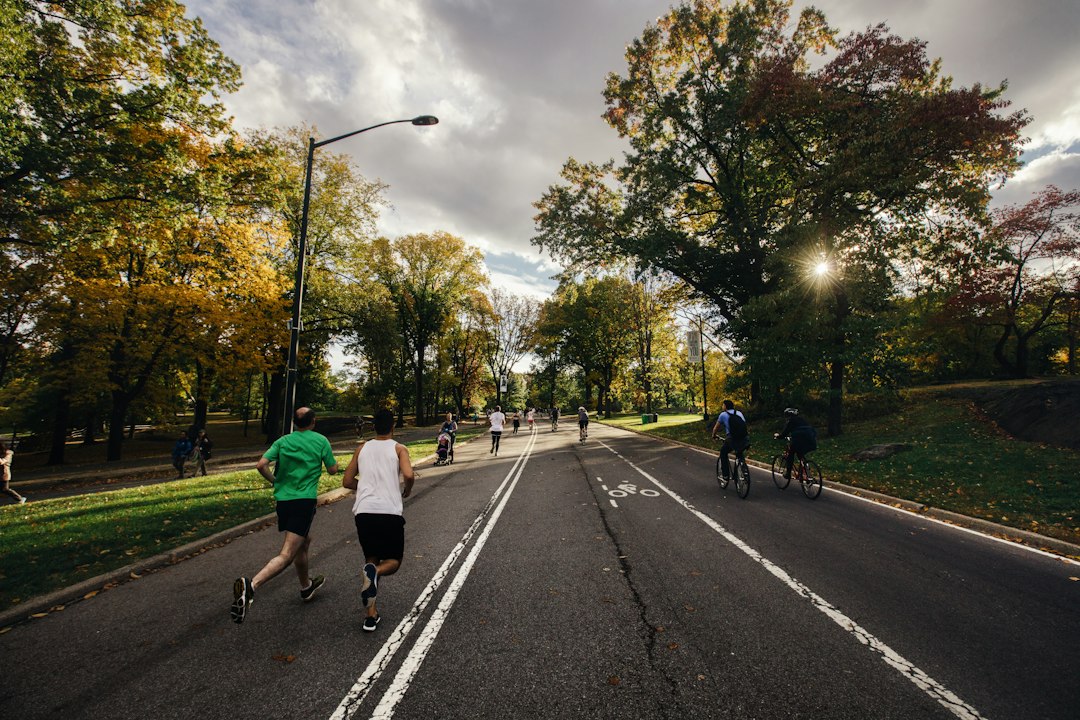
Picking the right pace group matters more than picking the right club name. Runners who join a club that suits them but land in the wrong pace group often quit within weeks, not from unfriendliness but from feeling like every run is a race or a chase. New York holds hundreds of running clubs, from free community crews to paid training blocks, and nearly all of them sort people by pace first. Match your pace before you match a brand, and the rest of the decision gets simple.
Why your pace decides the club you need
NYRR Group Training sorts runners by effort rather than by loyalty to a single crew. Runners train based on Rate of Perceived Exertion, a scale that measures how a run feels, and coaches reinforce that scale throughout each session. Groups form around each runner's current best pace, and runners can switch groups as their fitness changes. The program now carries real scale behind it: roughly 7,000 total athletes have trained through it, led by more than 90 experienced coaches across 7 locations throughout the city.
That structure matters because pace mismatch is the main reason people stop showing up. A club with the right vibe but the wrong pace group still feels like punishment on a Tuesday morning.
How three NYC clubs actually split pace groups
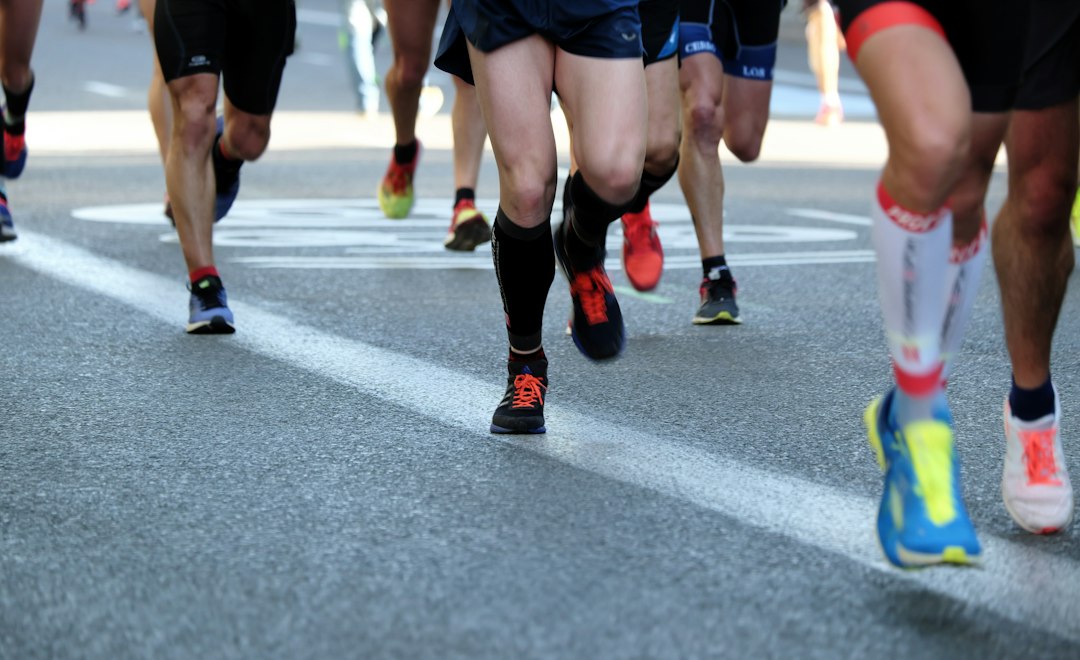
Compare three real clubs and the gap becomes obvious. Central Park Run Club is a free social club with over 15 NYC coaches who build different workouts every week, drawing around 1,000 members. Its week runs Tuesday speed days, a casual chatty Wednesday fun run, a Thursday group run with coached pacers for every group, and a Saturday long run that explores Manhattan.
Upper West Side Run Club sits at the gentler end of that spectrum. Its open, free club runs happen Sunday mornings at the Eleanor Roosevelt Monument, Tuesday mornings at the Daniel Webster Monument, and Thursday evenings at the American Museum of Natural History steps, with pace groups ranging from 8:00 to 11:00 minutes per mile.
New York Harriers sits much further toward competitive. Its Wednesday and Friday workouts split into three to four pace groups between 5:30 and 9:00 minutes per mile, with coaches dividing the group at the start and welcoming all pace ranges to find training partners near their own speed. If a reader wants a Saturday jog and coffee, Upper West Side Run Club fits better than a club built around Harriers-level splits. If a reader is chasing a marathon qualifying time, the reverse holds. If running groups still feel like something to try quietly first, the activities in New York directory lists other beginner-friendly ways to move before committing to one crew.
Test a few runs before you commit to a pace
The honest objection here is fear: what if a runner is too slow and gets left behind on the first try? That worry is reasonable, but the data on NYC clubs argues against it. NYC run clubs welcome runners of all paces and abilities, with most clubs running multiple pace groups from beginner-friendly groups above 12 minutes per mile up to competitive groups under 7 minutes per mile. Plenty of New York clubs also run "no-drop," meaning nobody gets left behind regardless of speed.
Front Runners New York shows how far that inclusivity goes in practice. It is a large, diverse LGBTQ+ running club with pace groups for every level, including walkers, meeting in Central Park at the 72nd Street transverse near the Daniel Webster monument. For a lower-pressure first visit, Fleet Feet NYC also offers free group runs that welcome all paces and ability levels while you test the social side of running. Its Columbus Circle, East Side, and Upper West Side locations even keep free lockers available during store hours every day of the week, which removes the excuse of carrying a bag on a trial run.
What a pace group actually costs
Cost splits cleanly along one line: community crew or structured program. Most running clubs in New York City are completely free to join, and runners simply show up at scheduled run times and locations. NYRR-affiliated dues clubs such as the Flyers, Front Runners, and PPTC charge $30 to $60 a year for race-team perks on top of that.
Paid, coached training sits at a different price point entirely. A November 2026 Manhattan NYRR Group Training session, for example, lists entry fees between $79.31 for members and $88.83 for non-members for an eight-week block of weekly coached workouts. Registration for 2026 sessions opened in waves across the year, including a 10-week January to March block and shorter 5-to-8-week blocks running through the summer and fall. A free crew costs a Tuesday morning. A paid session buys a coach who tracks your pace across ten weeks.

What changes once you run at the right pace
Once pace stops being a guess, the rest of the decision becomes logistics: which morning works, which park is closest, whether a free crew or a paid coach fits the budget. A runner who starts at Upper West Side Run Club's 8:00 to 11:00 pace can graduate toward Harriers-level splits later without switching boroughs. A runner who tries NYRR Group Training's RPE system gets permission to move groups as fitness shifts, instead of being stuck in one bracket. Show up once, run the group that matches today's pace, and let the club sort itself out from there.