


Vintage furniture is one of the most underused alternative assets sitting inside Manhattan apartments, and most buyers never realize they are holding something that compounds.
Why vintage furniture belongs in the investment conversation
Most people treat their sofas and side tables as depreciating expenses. That instinct is wrong for the right category of piece. Authenticated vintage furniture demonstrates documented appreciation rates of 3.2 to 5.8 percent annually, depending on period, rarity, and condition. That number sits comfortably alongside many fixed-income instruments, and the asset lives in your living room while it works.

Investment-grade pieces from mid-century modern, Art Deco, and Arts and Crafts movements show consistent appreciation and strong collector demand. Financial institutions and family offices are beginning to incorporate this category into diversified alternative investment portfolios. If institutional money is moving here, retail buyers in Manhattan should pay attention.
The market is experiencing renewed popularity driven by sustainability concerns, investment potential, and appreciation for craftsmanship. Younger generations increasingly value unique, historically significant pieces over mass-produced items. That demand shift is structural, not cyclical, which matters when you think about exit value.
What makes a piece investment-grade
Not every vintage chair qualifies. Factors like rarity, condition, historical significance, and craftsmanship all determine value. Buyers who treat this like stock-picking will do well. Buyers who treat it like interior decorating will not.

Provenance is the single most important variable. A piece with a clean, documented ownership chain commands a premium and sells faster. The pursuit of truly exceptional pieces rests on the immutable principles of rarity, provenance, and masterful craftsmanship. Those 3 factors work together. Remove 1, and the investment case weakens.
Mid-century modern furniture, vintage designer items, and high-quality crafted items from the late 20th century are likely to become tomorrow’s collectible antiques. For Manhattan buyers, this means the window to buy before broad recognition is still open. Act on data, not aesthetics alone.
How to source without using an auction house
Auction houses charge buyer’s premiums that routinely reach 25 to 30 percent on top of the hammer price. That fee is pure friction on your return. Fortunately, New York offers structured alternatives with real depth.
Lost City Arts has been a leading source of mid-century art and design for over 30 years, and pieces from the gallery have been featured in major editorial and cultural contexts. Dealers like this operate with the same inventory discipline as auction specialists, but without the premium layer. Maison Gerard, established in 1974, offers a curated collection of furniture, lighting, and decorative arts from various eras. These are not flea-market finds. These are dealer-level acquisitions.
Online platforms have changed the access equation significantly. E-commerce platforms including 1stDibs and Chairish are expanding geographic reach while solving critical pain points around authentication, logistics, and trust. Online channels are projected to grow from 38.1 percent of market share in 2025 to 50.2 percent by 2034. A buyer in Murray Hill can now evaluate provenance documents from a dealer in Paris before breakfast.
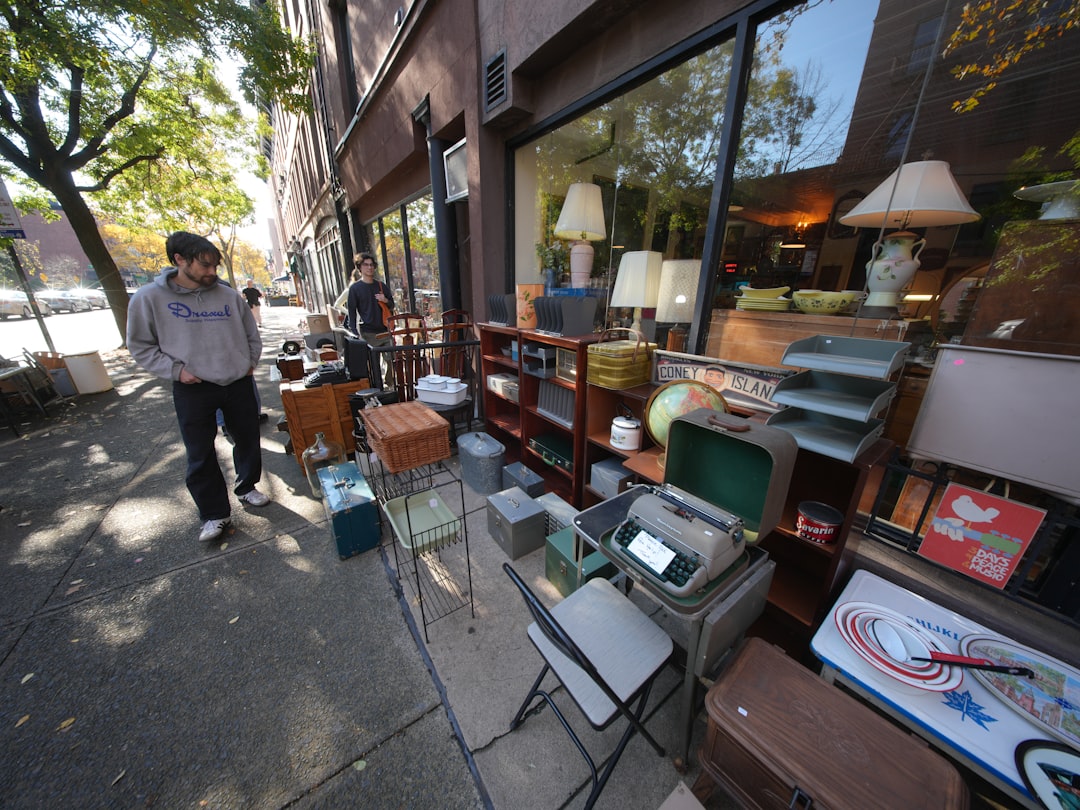
Expert perspective on vintage furniture as a real asset
The market for investment-grade vintage furniture has matured in ways that most retail buyers have not yet registered. Pieces that carried clear provenance and strong maker attribution have consistently outperformed casual decorative purchases over 10 to 20-year holding periods. The key discipline is buying the same way a collector buys, not the way a decorator buys. That means verifying the ownership chain, understanding the maker’s position in design history, and refusing to overpay for restoration that masks original condition problems. Manhattan buyers have a structural advantage: the city’s dealer network is among the deepest in the world, and private acquisition from a vetted source removes the auction premium entirely. Patience and documentation are the 2 tools that separate a good purchase from a great one.
Industry perspective, antique furniture investment and alternative assets professionals
Where to focus inside a Manhattan apartment
Space is the constraint in any Manhattan apartment. That constraint is actually an advantage for this strategy, because it forces selectivity. Buy fewer pieces and buy better. Antique tables and chairs are the most sought-after categories, followed by cabinets, beds, and sofas. These are also the categories with the most liquid secondary markets, which matters when you eventually sell.
Focus on pieces that are well-maintained or can be easily restored. Work with reputable dealers to ensure your purchase is genuine. In practical terms, that means requesting condition reports in writing and asking every dealer for documentation before you transfer any funds. Emerging market participation has increased global antique values by an estimated 15 to 25 percent over the past decade, with particular strength in European furniture and luxury decorative objects. The global bid is rising, and Manhattan pieces with clear provenance benefit from that pricing floor.




Conclusion: vintage furniture as a Manhattan asset, not just decor
Vintage furniture is not a lifestyle choice. It is a position. The Manhattan buyer who approaches this market with the same discipline applied to any other alternative asset will find real return potential inside pieces that also make a 600-square-foot apartment look extraordinary. Source from vetted dealers, document provenance at every step, and hold pieces with maker attribution and structural integrity. Vintage furniture selected on those criteria gives you an asset that does 2 jobs at once: it furnishes your space and builds value over time. Start with 1 or 2 anchor pieces, verify everything in writing, and treat the dealer relationship as a long-term position, not a single transaction.
Discover more about vintage furniture
- Antique Furniture Market Research Report 2034
- 1stDibs: Antique and Vintage Furniture for Sale in New York City
- The Future of Luxury Antiques: Market Trends and Investment Predictions