
Mostly Mozart has defined New York City summers for 60 years, and the 2026 season at Lincoln Center is its most ambitious chapter yet.
A festival born from air-conditioning and ambition
The festival began in August 1966, taking advantage of the air-conditioning at the recently built Lincoln Center. That practical detail sounds small, but it changed the city. Lincoln Center launched America’s first indoor summer music festival as “Midsummer Serenades: A Mozart Festival.” The name stuck, the audiences kept coming, and New York had a new ritual.

The festival, which adopted the name Mostly Mozart in 1970, became a New York summertime institution and presented more than 2,200 performances by 25,000 performers to over 2 million concertgoers in its first half century. Those numbers belong to a real civic event, not just a concert series. In the context of the Mostly Mozart Festival, “Mozart” came to represent not just a single composer but the entire genre of classical music.
What the 2026 season looks like
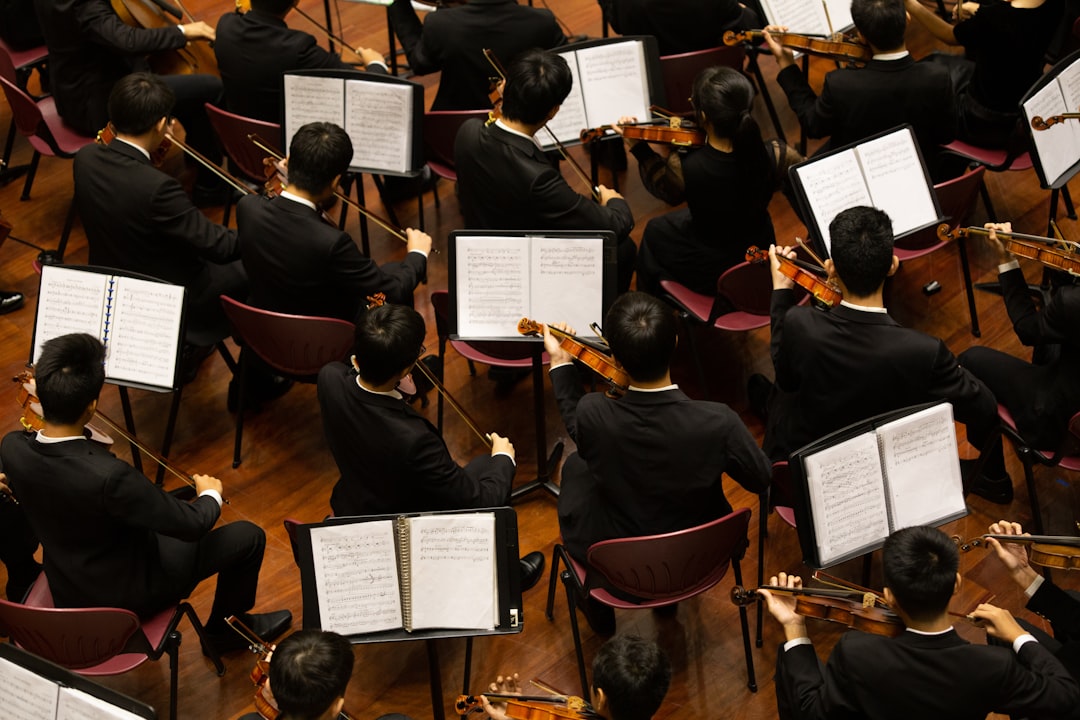
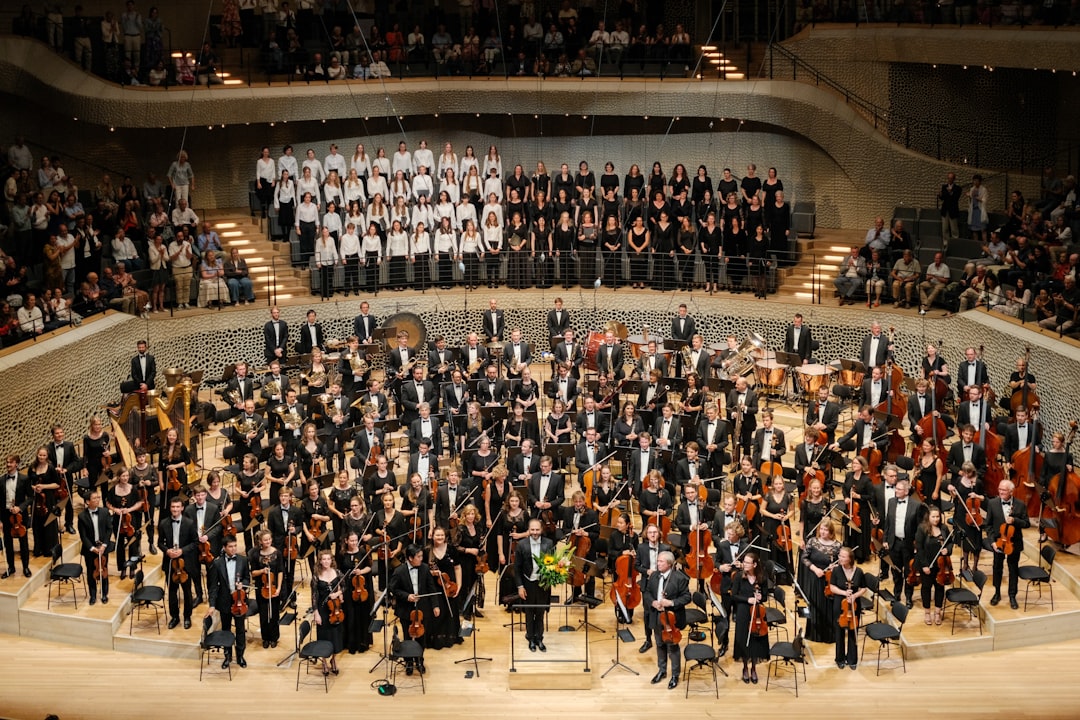
The Festival Orchestra of Lincoln Center returns with an expanded season of concerts in David Geffen Hall, under Renée and Robert Belfer Music and Artistic Director Jonathon Heyward. The resident summer orchestra season features 3 commissions, including a world premiere, alongside traditional classics. This is the third season under Heyward, and the programming reflects his appetite for pairing the familiar with the new.
The Festival Orchestra of Lincoln Center runs from July 8 to August 8. Commissions include the Northeast premiere of a Double Concerto by Billy Childs for Anthony McGill and Demarre McGill, the U.S. premiere of Jessie Montgomery’s new cello concerto “These Righteous Paths” with Abel Selaocoe, and a world premiere commission by Hannah Ishizaki. Each concert night builds its own argument for why classical music is still very much alive in this city.

The season includes “Jubilation and Fanfare: Jonathon Heyward Conducts Hailstork and Haydn” on July 15, 2026, and a July 29, 2026 program featuring Mozart’s Violin Concerto No. 3. Violinist Alina Ibragimova serves as both conductor and soloist in a program where virtuosity and high drama collide.
The orchestra and what it stands for today
The ensemble itself carries a long history with a new identity. Lincoln Center bid farewell to the Mostly Mozart Festival Orchestra, a fixture of the city’s cultural scene since 1973, saying it was time to reimagine the ensemble for a modern and more inclusive age. In January 2024, Lincoln Center announced the new name of the orchestra as the Festival Orchestra of Lincoln Center.
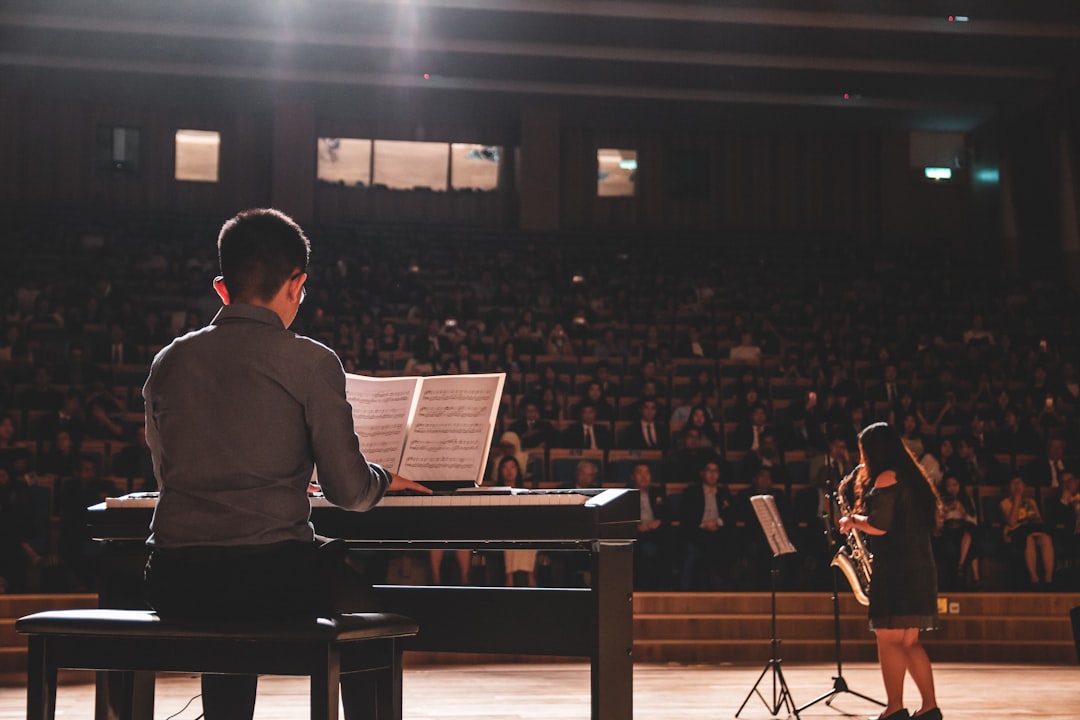
The ensemble is made up of world-class musicians who perform year-round as soloists, chamber musicians, and in other ensembles across Lincoln Center’s campus and around the globe. The Festival Orchestra of Lincoln Center comes together each summer during Summer for the City to celebrate and share iconic orchestral works in dialogue with new and rediscovered music. That combination, the trusted and the unexpected, is exactly what keeps people returning each summer.
Expert perspective on the festival’s cultural role
The festival has always occupied a rare position in American cultural life. It introduced generations of New York families to classical music in an accessible, non-intimidating setting, and that access shaped the city’s relationship with the art form for decades. The shift to a new name and a new director is not a departure from that mission. It is a deepening of it. When a festival commissions new works alongside Mozart and Brahms, it tells audiences that this music is alive, not preserved in glass. That is the most powerful thing a summer festival can do for a city. It belongs to the people who live there.
Industry perspective, classical music and performing arts programming professionals
Tickets, prices, and practical planning
All seats for Festival Orchestra concerts are available for Choose-What-You-Pay prices. For a city where a Broadway ticket can cost several hundred dollars, that policy is significant. It means a family from the Bronx and a visitor from abroad sit in the same hall and hear the same performance.


The festival animates the Lincoln Center campus indoors and out, featuring hundreds of performances, all free or Choose-What-You-Pay. Lincoln Center also offers a free, relaxed open rehearsal with the Festival Orchestra, giving audiences a behind-the-scenes look at the preparation process. That is a genuine gift for anyone curious about how a concert actually comes together.
Plan to arrive at the Upper West Side campus early. The plaza fills up on warm evenings, and the neighborhood around it, from Amsterdam Avenue to Columbus Avenue, offers good restaurants for before or after the show. The 1 train stops at 66th Street, directly below Lincoln Center. There is no reason to drive.
Why the Mostly Mozart Festival still matters
The Mostly Mozart Festival is not a relic. It is proof that a city can build something in 1966 and still have it mean something 60 years later. Summer for the City has established itself as a quintessential New York City summer destination, welcoming more than 1.6 million visitors since launching in 2022. The Mostly Mozart Festival, now presented inside that broader program, carries the same energy it always has: serious music, open doors, and a plaza where the whole city meets.
Go for the orchestra. Stay for the city that surrounds it. The Mostly Mozart Festival reminds you why Lincoln Center was built here, for all of us, not just some of us.
Discover more about Mostly Mozart
- Lincoln Center Festival Orchestra of Lincoln Center official page
- Summer for the City 2026 full lineup, Broadway World
- Mostly Mozart Festival