
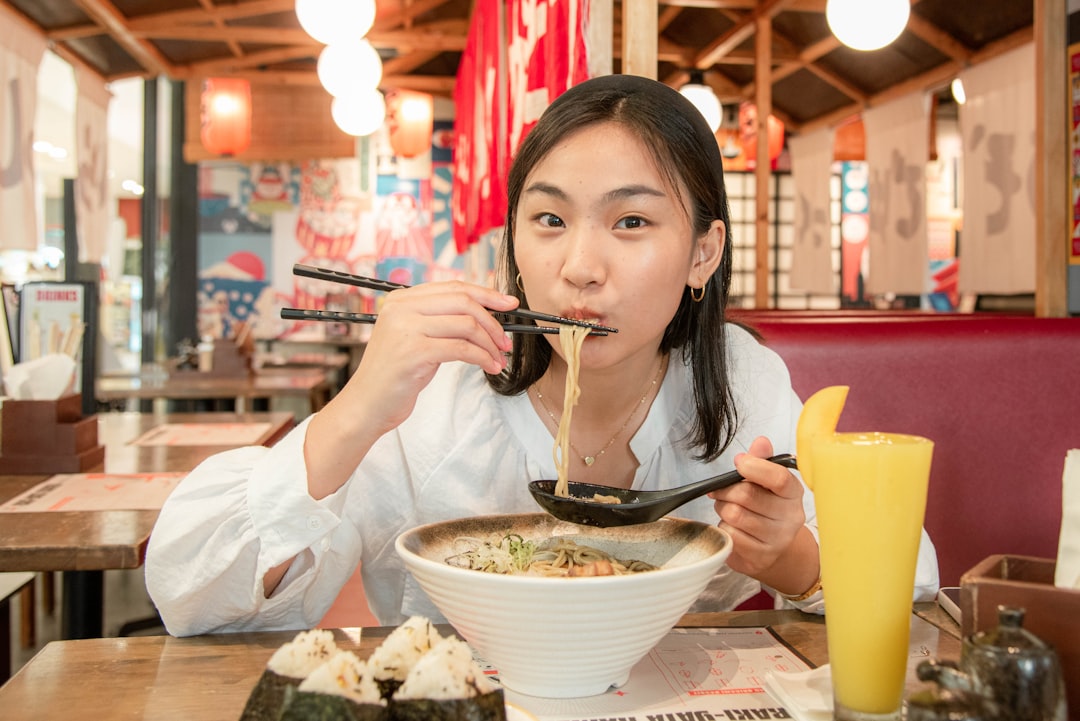
Flushing Chinatown draws food lovers from every corner of New York, offering a depth of regional Chinese cuisine that no single Manhattan block can match.
A neighborhood built on migration and flavor
Flushing Chinatown began to take shape in the 1970s, when Mandarin-speaking Taiwanese immigrants settled in Queens. They felt out of place in Manhattan’s Cantonese-speaking community, so they built their own. Over the following decades, waves of immigrants arrived from Sichuan, Fujian, Dongbei, and beyond. Each group brought recipes, techniques, and ingredients from home. Today, the neighborhood contains over 30,000 China-born residents, making it the largest Chinatown by that measure outside Asia.

The result is a food landscape of extraordinary range. You can eat your way through 5 or 6 distinct regional cuisines in a single afternoon. The main arteries are Main Street and Roosevelt Avenue, but some of the best meals hide in basement food courts and unmarked storefronts. That contrast between visibility and discovery is part of what gives this neighborhood its particular energy.
Where to start: dumplings and noodles
Dumplings are the first thing many visitors come for, and Flushing Chinatown delivers them in every form. Nan Xiang Xiao Long Bao on Prince Street is perhaps the most recognized spot in the area, known for soup dumplings filled with pork and crab meat. White Bear, a tiny counter restaurant, serves wontons in chili oil that food writers return to again and again. Both places reward patience. Lines form quickly, and the reward is proportional to the wait.
Noodles deserve equal attention. Lanzhou-style hand-pulled noodles appear at several stalls and small restaurants throughout the neighborhood. Chefs pull the dough by hand in front of you, creating thick ribbons or thin strands depending on the order. Meanwhile, Chongqing-style noodles bring a different energy: dark, spiced, and built for people who want heat with their meal. The noodle options alone justify a dedicated visit.

The food courts: a study in abundance
New World Mall on Main Street contains what many residents call the original food court of Flushing Chinatown. Around 30 stalls fill the basement level, serving dishes from jianbing to Uyghur lamb skewers. The prices are low, the portions are generous, and the variety creates a kind of organized chaos that is deeply satisfying to navigate. A group visit works best here, because sharing across stalls is the natural rhythm of the space.
Tangram, a newer development on 37th Avenue, offers a more polished environment. Xi’an Famous Foods operates here, as does Juqi, a Beijing chain known for crisp-skinned Peking duck served with thin pancakes, cucumber, and scallion. The contrast between the 2 food courts captures something true about Flushing Chinatown: tradition and modernity exist here without conflict. Neither replaces the other. They simply coexist, a few blocks apart.
Local perspective on eating in Flushing
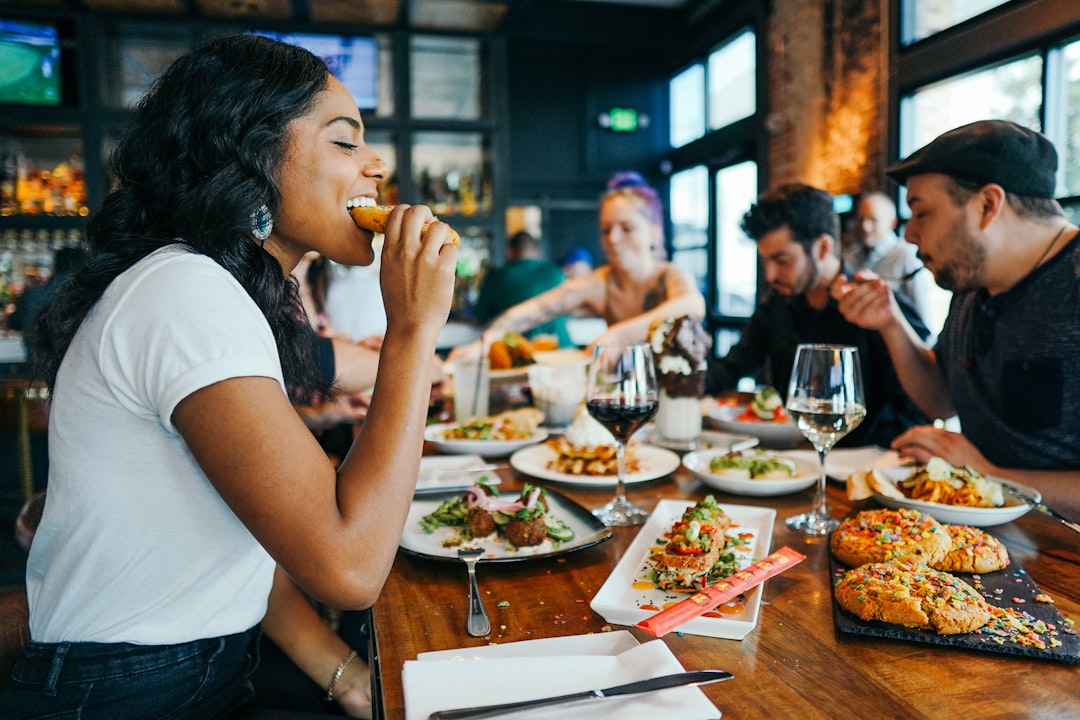
Flushing Chinatown rewards visitors who approach it with curiosity rather than a fixed checklist. The neighborhood represents dozens of regional Chinese food traditions, not a single cuisine. A good strategy is to anchor the visit around 1 category, such as dim sum or hot pot, then allow the street food and bakeries to fill the gaps between meals. Breakfast in Flushing is often overlooked, but jianbing from a morning counter and congee from a small shop offer some of the most honest eating in the city. The food here is not made for outside audiences. It is made for the community, and that is precisely what makes it worth traveling for.
Industry perspective, food and culinary tourism professionals in New York City
Dim sum: the art of the shared table
Dim sum in Flushing Chinatown is a ritual, not just a meal. Asian Jewels Seafood Restaurant on 39th Avenue operates with the energy of a banquet hall, carts moving between large round tables loaded with taro puffs, rice rolls, and chicken feet. Golden Lake Pavilion offers a more classic experience, with chandeliers, Greek columns, and roving carts that reward the attentive guest. Both restaurants demand early arrival on weekends, when families fill every table by 10 in the morning.
The experience of dim sum here connects directly to the neighborhood’s identity. Dishes come from Hong Kong tradition, but the room belongs to everyone. Korean families, Taiwanese students, recent arrivals from Fujian, and visitors from Manhattan all share the same rotating carts. Dim sum in Flushing Chinatown functions as a kind of civic event, and that social dimension is inseparable from the food itself.
Street food and the art of the sidewalk snack
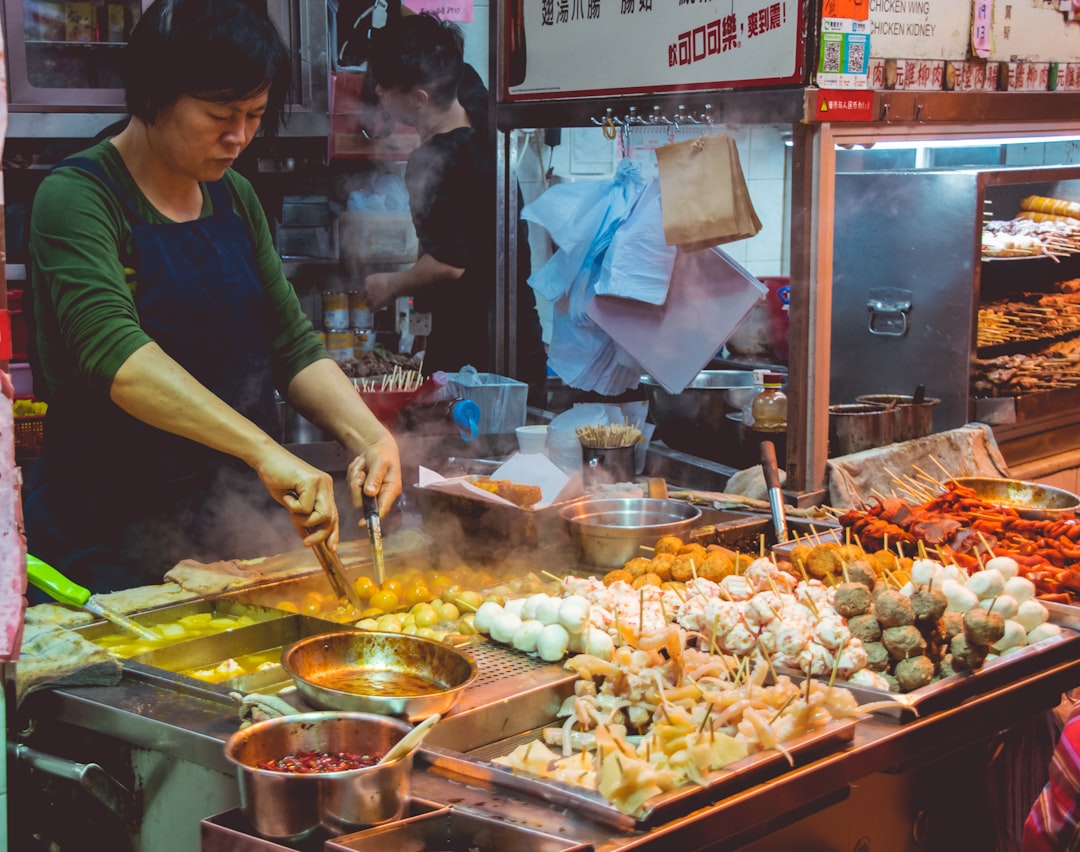
Street food in Flushing Chinatown asks very little and gives a great deal. Tanghulu vendors sell fruit coated in hardened sugar syrup. Roast duck hangs in restaurant windows along Main Street. Jianbing, the savory Chinese crepe, comes fresh from a hot griddle at Eight Jane Foods inside Busy Mall, a perfect grab-and-go breakfast for around $5. The rou jia mo at Xi’an Noodles Food in the New World Mall food court, described as a Chinese burger, uses a crispy flatbread filled with stewed spiced pork.




Beyond the main blocks, Flushing Chinatown reveals smaller pleasures. Taipan Bakery sells baked goods that reflect Hong Kong pastry tradition. Bubble tea shops line the side streets, a legacy of the neighborhood’s Taiwanese origins. For dessert, the Queens Crossing food hall contains Sundaes Best, which serves Asian-inspired sorbets and gelati in flavors like matcha and calamansi. Every block contains something worth stopping for. That density is the defining quality of eating in this neighborhood.
Flushing Chinatown is the real New York food story
Flushing Chinatown is not a single restaurant or a single cuisine. It is a living archive of migration, craft, and community. Every bowl of noodles and every steamed dumpling carries the history of a person who traveled far and built something real. This guide gives you a structure, but Flushing Chinatown rewards people who follow their instincts and stay curious. Come to Flushing Chinatown hungry, stay longer than you planned, and return soon. The neighborhood always has more to offer than 1 visit can hold.
Discover more about Flushing Chinatown
- Flushing, Queens Neighborhood Guide, NYC Tourism
- Best Places to Eat in Flushing Chinatown, AFAR
- A Guide to Dining Out in NYC’s Biggest Chinatown, MTA Away