
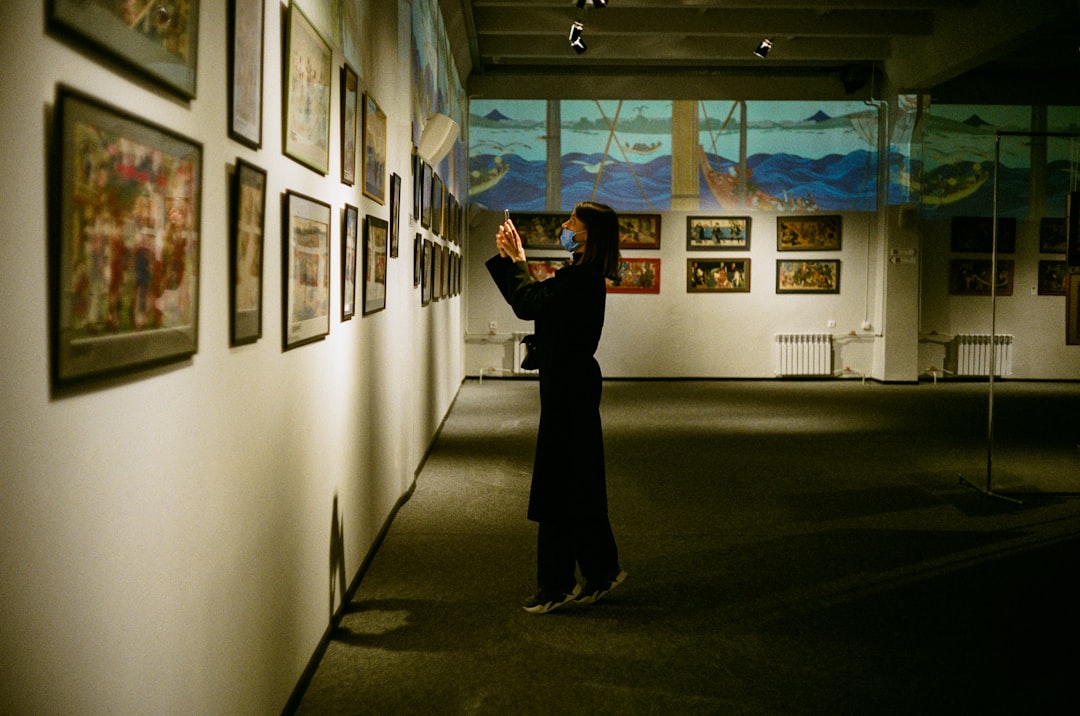
Hidden museums are everywhere in New York City, tucked into old firehouses, converted factories, and quiet side streets that most visitors walk straight past.
The city behind the crowds
New York rewards people who look past the obvious. The Met and MoMA are great. But locals know that the real city lives in smaller spaces. These 8 museums carry stories that the big institutions simply do not have room for. Each one connects to a specific neighborhood, a specific community, and a specific piece of culture that belongs to this city alone.

Most of these spaces charge little or nothing to enter. All of them are easy to reach by subway. Together, they show you a New York that feels less like a postcard and more like the real thing.
Hidden museums that tell the immigrant story
The Tenement Museum on the Lower East Side is one of the most powerful small institutions in the country. Located on Orchard Street, it opened in 1988 and explores the American story of immigration through tours of tenement apartments. Guided tours take visitors through recreated rooms that follow the story of real families as they made their way through difficult times. You leave feeling like you understand the city differently.
Also on the Lower East Side, the Museum at Eldridge Street occupies a synagogue that opened in 1887. The Eldridge Street Synagogue was once a magnificent house of worship that welcomed the great waves of Eastern European Jews who arrived in the late 19th and early 20th centuries. The restored main sanctuary is breathtaking. Almost nobody outside the neighborhood knows it exists.

Small spaces, big collections
The Morgan Library and Museum in Midtown holds one of the most remarkable private collections in the world. Financier Pierpont Morgan’s extensive collection of creative works is contained in a group of buildings, including the original neo-classical McKim building, a National Historic Landmark. The reading rooms alone are worth the trip. Most visitors to Midtown walk past the entrance without noticing it.
In Long Island City, Queens, the Noguchi Museum offers something completely different. Founded in 1985 by Isamu Noguchi, it was the first museum in the United States established, designed, and installed by a living artist to present their own work. The museum holds the largest collection of Noguchi’s works in the world, with indoor galleries that connect to a serene outdoor sculpture garden. Go on a weekday in spring. The garden is calm, and the crowds are almost nonexistent.
Hidden museums in Brooklyn and beyond
In Williamsburg, the City Reliquary is the kind of place only New York could produce. This tiny museum in Williamsburg, Brooklyn celebrates the city’s quirks and everyday history. It holds artifacts ranging from old subway tokens and vintage postcards to eclectic community collections. What makes it special is its grassroots, community-driven energy. It feels less like a traditional museum and more like a love letter to the city’s personality.
Also in Brooklyn, the Coney Island Museum keeps the history of the famous amusement district alive. The museum highlights the famed amusement park’s quirky history for only $5. Coney Island has changed a lot over the decades, but this small space preserves the spirit of the original boardwalk culture with photographs, posters, and sideshow artifacts.
Expert perspective on small museum culture in NYC
New York’s smaller cultural institutions carry the weight of specific communities and specific histories in ways that larger museums simply cannot replicate. A small museum on Orchard Street or in a Williamsburg storefront holds a direct, living connection to the people who still live nearby. That relationship between institution and neighborhood is what makes these spaces so valuable. They are not static archives. They respond to their communities in real time, adding programs, oral histories, and community events that keep the space relevant year after year. Visitors who spend an afternoon in one of these museums often say they understand the city at a deeper level than they did before they walked in. That is the real value of small cultural institutions in a city like New York.
Industry perspective, cultural institutions and community museums in New York City
2 more to put on your list
The National Jazz Museum in Harlem is a genuine local treasure. The museum is a hub for live performances, exhibitions, and educational programs, as well as an archive of over 100 hours of recorded radio shows. Harlem built jazz culture in America, and this small museum documents that history with remarkable detail.


Finally, the Rubin Museum of Art in Chelsea brings a completely unexpected geography to Manhattan. Located in Chelsea, it offers a deep look into Himalayan and Indian culture. The museum holds rare art and also serves as a hub for philosophy, spirituality, and education. Regular meditation sessions, cultural talks, and rotating exhibits create a peaceful and inspiring atmosphere. It is the last thing you expect to find between a coffee shop and a yoga studio on West 17th Street, which is exactly why it works.
Go find these hidden museums yourself
New York City gives you a choice. You can stand in a 45-minute line at a famous institution, or you can walk into a quiet storefront in Harlem or a converted factory in Queens and find something that changes how you see the place. These hidden museums are the version of the city that locals return to. They are free or close to free, easy to reach, and full of real culture. Start with one. You will almost certainly add the others to your list before the weekend is over. This city rewards the curious, and these neighborhoods are waiting.
Discover more about hidden museums
- Hidden Gems Among NYC Museums (National Endowment for the Arts)
- Discover 10 New York Museums Off the Beaten Track (Google Arts & Culture)
- 16 Hidden Art Gems You Can Visit for Free During Open House New York (Artnet News, 2025)